

In most U.S. states, including Texas, a test-taker who wants to pass the state-approved CNA examination must demonstrate his or her ability to successfully complete several hands-on procedural tasks during the skills portion of the state test. This all takes place as an examiner carefully observes the steps associated with each skill performance from start to finish.
Out of 20+ possible testable skills on the CNA state test, five skills will be selected at random for the test-taker to perform in front of the examiner. In order to pass the skills portion of the CNA state test, four out of five of the randomly selected skills must be completed successfully and by the book. It is advisable to know how to perform all 20+ testable skills for maximal test preparation.
Each testable skill possesses an assigned value that shall correspond to each step associated with the complete, successful performance of the skill. For instance, a skill such as hand-washing that requires a number of steps from start to finish would be worth multiple points. If all steps of the hand-washing skill are performed properly and in the correct order by the test-taker, then all points will be awarded for the performance of that particular skill.
Keep in mind that the test-taker is allowed to miss a small number of steps that are considered not critical and still successfully pass the skills portion of the CNA state examination. The overriding point is that examiner wants to see that the test-taker knows how to execute the procedural skill from start to finish.
On the other hand, the nurse aide test-taker is absolutely not allowed to miss or forget to perform any critical steps of a procedural skill during the skills portion of the CNA state test. Generally, measures such as infection control, safety, privacy and provision of a signaling device or call light within reach are regarded as critical steps. In essence, these steps must always be performed. After all, they are considered critical steps.
Initial steps are known by various names, including pre-steps and opening procedures. Since the skills section of the CNA state exam is usually performed as one single scenario, these opening procedures need to be completed once, typically when the scenario starts. To reiterate, test-takers must carry out these opening procedures at the beginning of each test.
Opening procedures normally involve routinized steps such as knocking on the patient’s door, introducing oneself to the patient, identifying the correct patient, and ensuring privacy. According to Lewis-Clark State College (2013), the opening procedures should be carried out in the following order:
- The nursing assistant should get instructions from the nurse concerning the patient’s needs, functional limitations, and what the patient is able to do.
- The nursing assistant needs to knock before going inside the patient’s room. If applicable, await permission to enter the room if the patient is verbal in the scenario that has been assigned.
- The nursing assistant must refer to the patient by name. The nursing assistant must confirm the patient’s identity to ensure it is the right patient.
- The nursing assistant needs to identify himself or herself. The nursing assistant needs to identify his or her workplace title (e.g., “I am Joy. I am going to be your nurse aide for the day.”
- The nursing assistant should clearly explain the procedure in language the patient can understand. The nursing assistant should encourage the patient to complete as much as he or she possibly can.
- The nursing assistant should gather supplies and examine equipment prior to the start of the skill or procedure.
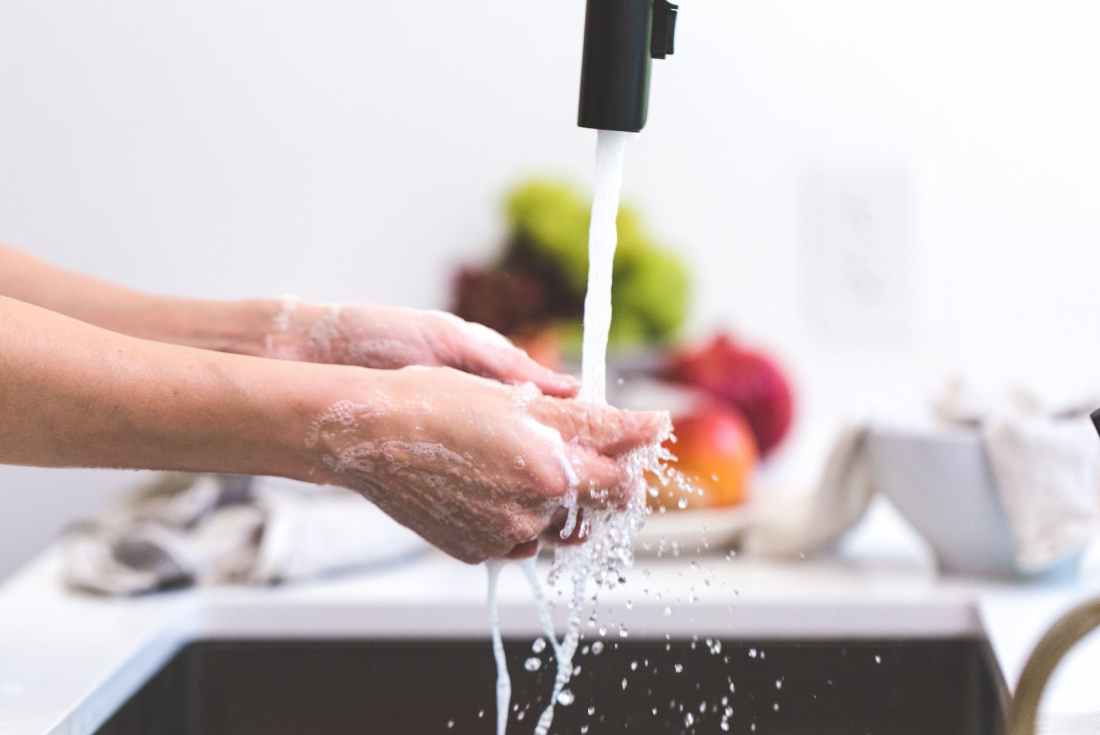
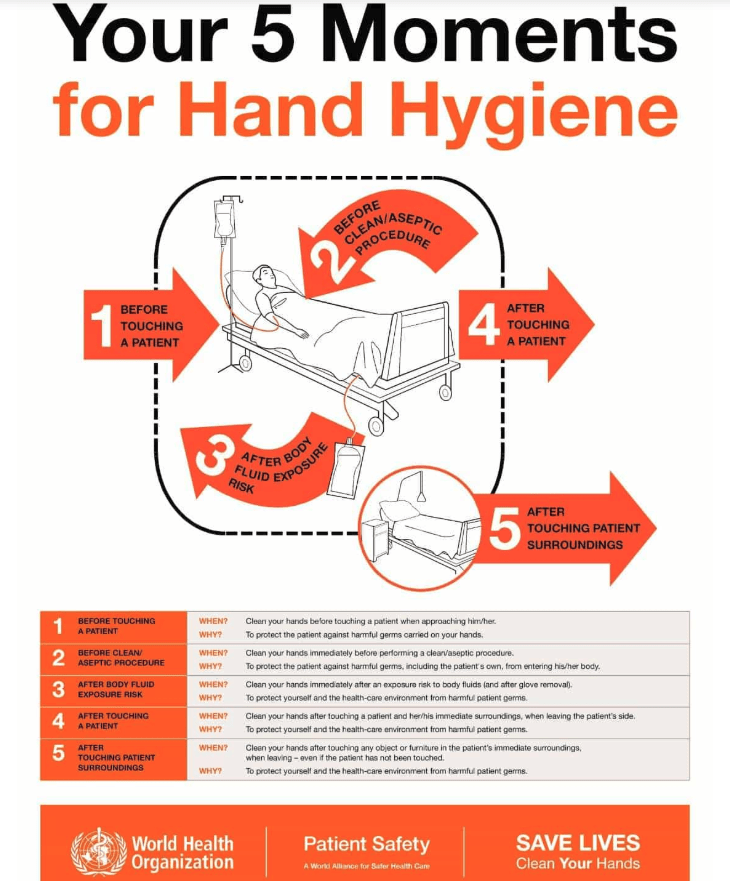
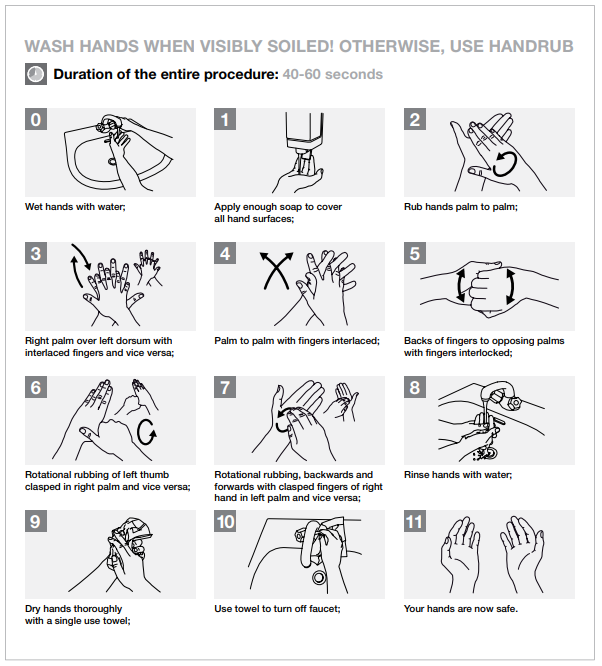
- The nursing assistant must properly wash his or her hands.
- The nursing assistant must ensure the patient’s privacy is upheld by keeping doors and/or privacy curtains in the closed position.
- The nursing assistant needs to keep the bed’s side rails in the ‘up’ position before elevating the bed to an appropriate height. The nursing assistant is to lower the side rails on the side of the bed where the care is being delivered.
- The nursing assistant should adhere to standard precautions by gloving up as needed.
- The nursing assistant should perform all skills while utilizing appropriate body mechanics. Maintain correct body alignment while working.
REFERENCES
4YourCNA. (2018). The Opening – a 4 YourCNA Lesson. Retrieved from https://www.youtube.com/watch?v=OOMXB_ahFyE
Lewis-Clark State College. (2013). Student Skills Packet. Retrieved from http://www.lcsc.edu/media/117278/2013-Student-Skills-Packet.pdf
Los Angeles Mission College. (2016). General Information, Exam Requirements, and Skills Steps Review Packet. Retrieved from https://www.lamission.edu/alliedhealth/docs/SkillsReview%20Rev02-16.pdf
 Legacy Healthcare Careers Medication Aide & Nursing Assistant Programs