Nursing Care Spotlight: Preventing Skin Tears

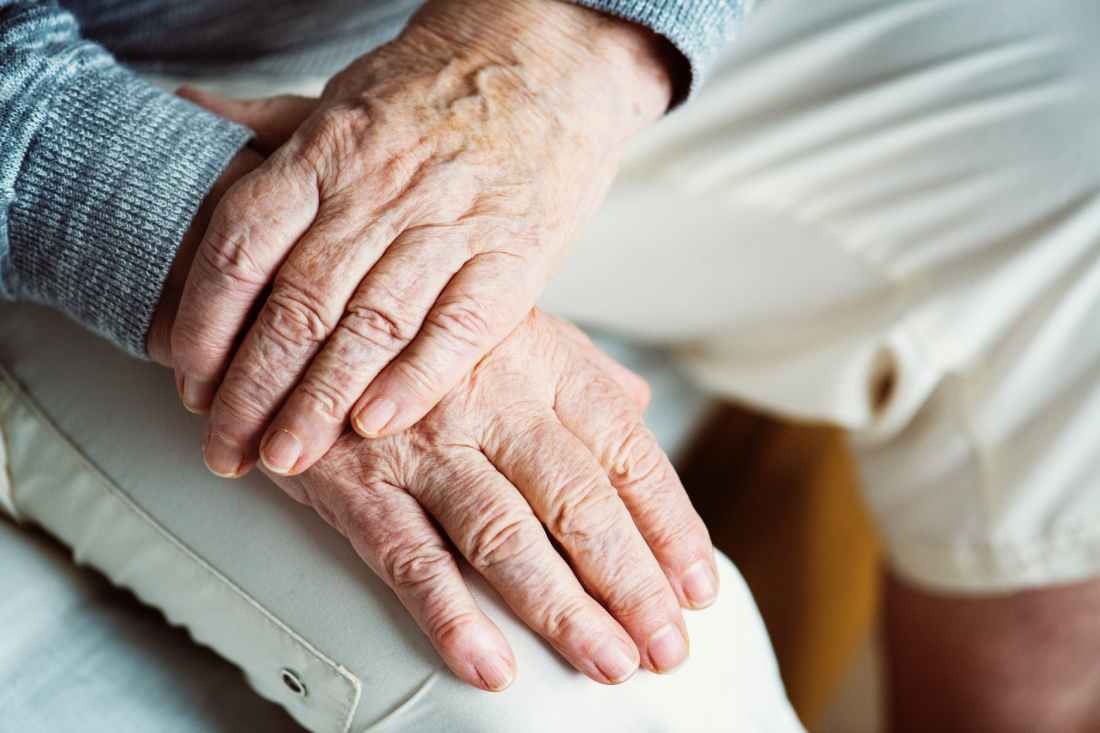
selective focus photography of left hand on top of right hand on white pants
Photo by rawpixel.com on Pexels.com

First of all, a skin tear is defined as a wound or laceration caused by trauma, friction and/or shearing forces. Skin tears rip through the upper layer of the sufferer’s skin, but not the lower layer that contains the various glands and nerve endings. Skin tears happen to be the most frequently occurring type of wound in older persons due to a number of reasons related to the aging process.

The likelihood of getting a skin tear increases dramatically as the elder’s skin becomes more weakened, drier, thinner and with less elasticity due to reduced subcutaneous fat, collagen, lessened elastin fiber deposition and sebacious (oil) gland production that occurs with advanced age (Aitken, 2018). In other words, skin tears are much more common as people age due to the fact that elderly skin undergoes predictable changes.

There are two distinct types of skin tears. A partial thickness wound happens when the epidermis, also known as the top layer of skin, becomes separated from the dermis (bottom skin layer). Meanwhile, a full thickness wound is a skin tear in which both the epidermis and the dermis layers become separated from the underlying skin (Ratliff and Fletcher, 2007).

Prevention of skin tears must be a priority for a number of compelling reasons. Firstly, the majority of people who seek care from the healthcare system are 65 years of age or older, so these patients are at increased risk of developing skin tears. Secondly, skin tears do have the potential to become infected. Third, skin tears can result in pain and suffering for the afflicted person. Finally, skin tears cost money to treat and heal.

The following is a list that merely scratches the surface regarding the various ways to prevent skin tears. Keep in mind that it is far more optimal to prevent a skin tear from happening in the first place since treating and healing this type of wound can turn into a time-consuming, somewhat expensive process.

  • Utilize draw sheets when moving immobile patients in bed to reduce the chances of developing skin tears from shearing and friction forces.
  • Apply barrier creams and lotions to patients’ extremities (arms, legs, hands and feet). Dry skin is a risk factor for skin tear development, so direct care members of staff should keep the skin moisturized often.
  • Educate nurses, nursing assistants, patient care technicians, transporters, and other healthcare personnel who regularly come into contact with patients about proper transfer methods, shearing, friction, risk factors, and preventive measures.
  • If possible, remove equipment with sharp edges that might cause injury to patients’ skin. If the removal of equipment is not possible, sharp edges should be covered with padding to minimize the chances of skin tears to peoples’ skin.
  • Implement a plan to identify all inpatient populations in hospitals, extended care facilities, personal care group homes, and other healthcare centers who are at increased risk of skin tear development.

REFERENCES

Aitken, C. (2018). Skin Tears in the Elderly. Western Alliance. Retrieved March 17, 2019, from https://www.westernalliance.org.au/2018/08/skin-tears-in-the-elderly

Ratliff, C., and Fletcher, K. (2007). Skin tears: a review of the evidence to support prevention and treatment. Ostomy Wound Management, 53(3), pp. 33-42.
March is Autoimmune Awareness Month

Screenshot 2019-03-08 at 8.38.16 PM

The month of March is National Professional Social Work Month. In addition, March is National Nutrition Month. Since the professions of social work and nutrition are tightly interrelated with connections to the healthcare sector in a number of differing ways, a couple of previous posts had been devoted to these aforementioned month-long observations. Click here and right here to read these posts.

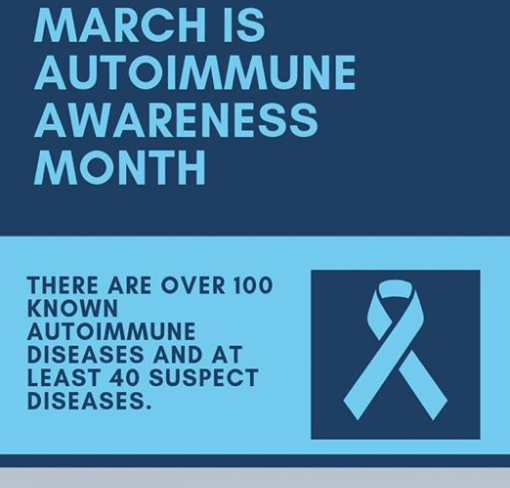
Well, March is also Autoimmune Disease Awareness Month. The whole purpose of Autoimmune Disease Awareness Month is to bring crucial awareness to the painful plights of the nearly 50 million individuals in America who are currently afflicted with autoimmune diseases. Many common illnesses such as type I diabetes, celiac disease, rheumatoid arthritis, multiple sclerosis and Crohn’s disease are autoimmune in origin.

An autoimmune disease is one in which a person’s bodily immune response begins to destroy perfectly healthy tissues and organ systems, leading to illness. Eustice (2018) asserts that an autoimmune disease is related to a malfunction of a person’s immune system, which results in the body attacking its own tissues. When the immune system malfunctions, the body sees its own tissues as foreign and attacks those tissues.

In addition, more than 100 autoimmune disease processes exist, and approximately 75 percent of afflicted persons are females. Some other common autoimmune diseases include Graves disease, psoriasis, vitiligo, inflammatory bowel disease, hemolytic anemia, systemic lupus erythematosus, juvenile arthritis, vasculitis, Hashimoto’s disease, mixed connective tissue disease and autoimmune hepatitis.

Certain factors seem to place an individual at a greatly increased risk of developing an autoimmune disease process. Females of childbearing age, persons who belong to particular racial-ethnic backgrounds, people who have been exposed to certain triggers or environmental exposures, and individuals with a family history of autoimmune disease are at higher risk of developing an autoimmune response (Eustice, 2018).

According to Whitehill (2017), Autoimmune Disease Awareness Month provides the public with the optimal opportunity to continue to raise awareness of scleroderma, Raynaud’s disease and the multitude of other autoimmune-related health problems. In order for a widespread public health problem such as autoimmune disease to be solved, it must first be acknowledged and brought into peoples’ awareness on a large scale.

If autoimmune conditions receive more attention from the American public as well as deeply moneyed stakeholders such as large research universities and major hospital systems, financial investments in well-designed autoimmune disease research trials will most likely rise. The body’s autoimmune response definitely needs further investigation in order to find a cure and perhaps alleviate the suffering of millions of affected people.

More monetary investment in clinical and medical research is surely needed to enhance the day to day realities for those unfortunate individuals who are caught up in the midst of the autoimmune disease journey, as well as swifter access to innovative treatments (Whitehill, 2017). A blend of innovation, money, critical thinking, initiative, research trials and intense curiosity will be needed to fight the issue of autoimmune disease.

REFERENCES

Eustice, C. (2018, December 24). Autoimmune Disease Types and Treatment. Verywell Health. Retrieved March 10, 2019, from https://www.verywellhealth.com/what-is-an-autoimmune-disease-189661

Whitehill, N. (2017, March 7). Raising Awareness and Knowledge of Autoimmune Diseases for March. Scleroderma News. Retrieved March 10, 2019, from https://sclerodermanews.com/2017/03/07/raising-awareness-knowledge-of-autoimmune-diseases-for-march/

Brain Awareness Week: March 11 Through March 17, 2019

two person doing surgery inside room
Photo by Vidal Balielo Jr. on Pexels.com

This year (2019), Brain Awareness Week is to be observed for the entire week that begins on March 11th and ends on March 17th. For those that might not have been previously aware, Brain Awareness Week is a worldwide celebration of the brain. Since the brain has such a profound impact on peoples’ physical, mental, social and emotional health, Brain Awareness Week deserves to be the sole subject of an informational post.

Brain Awareness Week is a week-long celebration of the brain that was established back in 1996. Every single year, during one whole week in the month of March, Brain Awareness Week brings together the diligent work of organizations, research firms, partners and interested stakeholders on a global scale to celebrate the marvelous organ otherwise known as the brain.

In other words, Brain Awareness Week is a worldwide campaign with the intent of boosting peoples’ awareness regarding the uniqueness and importance of the brain, as well as getting the public to see the merits and beneficial aspects of clinical research involving the brain. This week is loaded with multiple opportunities to discuss the progress that revolves around brain research.

Numerous diseases affect the human brain in ways that are devastating to individuals, families, and entire populations. Brain Awareness Week provides opportunities to let people know about the progress that is being done to diagnose, treat and prevent brain disorders such as Alzheimer’s disease, Parkinson’s disease, strokes, schizophrenia and depression (Federation of European Neuroscience Societies, 2019).

Brain Awareness Week is celebrated with a myriad of activities and events. According to National Day Calendar (2019), activities are limited only by the organizers’ imaginations and include open days at neuroscience labs; exhibitions about the brain; lectures on topics that pertain to the brain; social media posting campaigns; displays at libraries and community centers; classroom workshops; and so much more.

To observe Brain Awareness Week, individuals can take a look at the the BAW calendar of events to find activities that will be taking place in the region where they live. People can also post on social media outlets using the hashtags #BrainAwarenessWeek and #BrainWeek. Also, the neuroscience departments at many colleges and universities will be organizing exhibits and educational activities that are often open to the public.

REFERENCES

Federation of European Neuroscience Societies. (2019). Brain Awareness Week. Retrieved March 13, 2019 from https://www.fens.org/Outreach/FENS-Brain-Awareness-Week/

National Day Calendar. (2019). Brain Awareness Week. Retrieved March 13, 2019 from https://nationaldaycalendar.com/brain-awareness-week-changes-annually/


Healthcare Career Spotlight: the Nursing Facility Social Worker

adult business choices choosing
Photo by rawpixel.com on Pexels.com

Firstly, social workers are educated professionals who assist people to meet unmet needs, address problems, and deal with various issues in their lives. According to the United States Bureau of Labor Statistics (2018), social workers work in a myriad of workplaces such as clinics, schools, social service agencies, hospitals, group homes, homeless shelters, settlement houses, community organizations, and private practices.

The main purpose of this posting is to bring light to the multifaceted role of the nursing facility social worker. The point of having a social worker in the nursing home setting is to ensure that the ongoing needs of the facility’s multiple residents are being met in a timely manner. In essence, nursing facility social workers contribute to residents’ socio-emotional well-being by working closely with them and their family members.

All nursing homes are required to have a comprehensive social service program to assure that each resident’s social and emotional needs get fulfilled. It is the social worker’s responsibility to assist in the oversight, operation, and staffing of the social services department at the nursing facility. In fact, some larger nursing homes utilize at least two social workers to manage all of the residents on their caseloads.

Social workers in nursing homes are responsible for doing admission assessments on newly admitted residents to determine their needs and make the transition to facility living easier. As soon as newly admitted nursing home residents adjust to life in the facility, the social worker involves them in the care planning process and participates in the plan of care for each resident as a member of the multidisciplinary team.

Nursing facility social workers might also complete tasks such as pre-admission screenings, provision of information on advance directives, do not resuscitate (DNR) forms, social histories, questionnaires, reviews of residents’ rights, appointment scheduling with external healthcare providers, quarterly assessments, progress notes, assistance with monetary matters, and referrals to outside professionals.

In addition to the admissions process, social workers are absolutely integral to residents’ discharge planning in nursing homes. In this sense, the discharge process may simply entail a transfer from one department (e.g., the skilled sub-acute rehabilitation wing of the nursing home) to another area, such as the long term care section of the same facility.

In the majority of other instances, a resident’s discharge involves a transfer to home, the hospital, a homeless shelter or another facility. In these types of discharges, the social worker would carefully assess the needs of the discharging resident and make arrangements to ensure that (s)he or the family is able to obtain certain goods and services that are needed once the discharge takes place.

Once the actual discharge is happening, the nursing facility social worker would assist the resident to acquire goods such as shower chairs, glucose meters, and other types of durable medical equipment (DME). The social worker would also set up important services, such as home health care, pharmacy delivery, outpatient physical therapy, community resources, and/or transportation. Social workers function as advocates.

In general, most nursing facility social workers work a full time schedule that consists of daylight hours. Furthermore, they must occasionally work evenings, weekends and holidays to catch up on their workloads. The vast majority of nursing home social workers work at a desk and have an office, although they must often visit residents and meet with families during care plan meetings.

The United States Bureau of Labor Statistics (2018) asserts that the employment of healthcare social workers is projected to increase by approximately 20 percent through the year 2026, which is notably faster than the average for all occupations. Nursing home social workers remain in steady demand because of the assistance they provide to aging residents and their families while they adapt to the institutional facility lifestyle.

REFERENCES

Bureau of Labor Statistics, U.S. Department of Labor. (2018). Social Workers. Retrieved from https://www.bls.gov/ooh/community-and-social-service/social-workers.htm#tab-1

February is Turner Syndrome Awareness Month

Screenshot 2019-02-25 at 4.56.47 PM

February is Turner Syndrome Awareness month and, since this website definitely has an orientation toward the medical field and various issues that pertain to healthcare, this month-long observance deserves an honorable mention and a posting of its own. After all, the point is to raise some much-needed awareness regarding the rare disease process known as Turner Syndrome.

Turner Syndrome is a rather uncommon health problem that afflicts about one in every 2,500 females. This syndrome, which is not inheritable and affects only females, arises due to a chromosomal abnormality. It happens whenever all or part of of a girl’s second X chromosome is either completely or partially absent.

Turner Syndrome develops at the time of conception; in addition, approximately 99 percent of all Turner Syndrome pregnancies do not ever survive. In other words, a female infant who is born with Turner Syndrome has beaten the odds since the vast majority of women who are pregnant with Turner Syndrome babies do not carry them to full term due to fetal demise.

The visual, physical outcome of Turner Syndrome is a notable constellation of telltale signs and symptoms that can vary in severity from mild to profound. Girls with Turner Syndrome tend to present with the following characteristics: an unusually short stature, slower bone growth than usual, horseshoe-shaped kidneys, heart abnormalities, issues with hearing, enlarged hands and feet, and broadened chests and shoulders.

Other physical traits attributable to Turner Syndrome include webbed necks, deformed elbows, narrow palates, thin teeth and puffy extremities. In addition, girls with Turner Syndrome usually have absence of menstruation and suffer from infertility. A large number of females with Turner Syndrome have high blood pressure (hypertension), which is thought to arise due to kidney abnormalities and/or aortic constriction.

Due to the fact that February is Turner Syndrome Awareness Month, the overriding goal of this posting is to spread awareness about this disease process to as many members of the general public as humanly possible while also offering wholehearted support to the many parents of little girls afflicted with this disorder. Approximately 80,000 females have been diagnosed with Turner Syndrome in the United States to date.

Even though there is no known cure for Turner Syndrome at the time of this writing (2019), it is very much manageable when the female patient is placed under the care of a competent healthcare provider who is knowledgeable regarding its ongoing medical management.

REFERENCES

Martell, J. (2018). Raise Awareness of Turner Syndrome During the Month of February! Retrieved from https://patientworthy.com/2018/02/23/raise-awareness-turner-syndrome-month-february/

February is American Heart Month

Screenshot 2019-02-24 at 11.55.44 AM

February happens to be the shortest month on the calendar. However, the shortest month in existence is still insanely busy. Multiple celebrations and observances are taking place during this vaunted winter month such as Black History Month, Turner Syndrome Awareness Month, and the National Children’s Dental Health Month. Furthermore, February is the official National Bird Feeding Month.

This is just a friendly, harmless reminder that February is also American Heart Month. To be more precise, here is a very brief history regarding American Heart Month. It is a one month long official observance that had been initially put into place by the federal government via title 36 of the United States Code more than a decade ago. Many people are not even aware of the existence of American Heart Month.

Can anyone who is reading this guess correctly what the number one cause of death is in the U.S.? If any readers had guessed that heart disease is the leading cause of death in this country, then their guess would have been absolutely correct. Since this website has a marked orientation toward healthcare careers and things pertaining to the medical field, a quick posting about American Heart Month seems timely and appropriate.

After all, many people in this country seek the services of the healthcare system as the result of heart disease and cardiac issues. In fact, there is a high likelihood that some or all of the current and future readers of this piece are either related to a person who has heart disease or know someone who is afflicted with heart disease. Heck, there is a decent chance that a reader may even have one or more cardiac issues themselves.

The overarching focal point of American Heart Month is to raise awareness in the minds of the American public about the national health crisis of heart problems and blood vessel, cardiovascular and circulatory disorders. In addition, another goal of American Heart Month is to get the general public to be more supportive of programs and initiatives that work toward addressing the rampant problem of heart disease.

Some of the most common cardiovascular health issues in this country include the following: coronary artery disease (CAD), congestive heart failure (CHF), hypertension (more commonly known as ‘high blood pressure’), atrial fibrillation, heart valve disease, and angina pectoris (better known as ‘chest pain’). Congenital heart defects and anomalies, which are present at birth, are also rather common in American society.

During American Heart Month, people are strongly encouraged to wear the color red to show their wholehearted support of preventative measures for heart disease. People are also nudged toward making a series of lasting lifestyle changes that have been proven to minimize or reduce the risk of developing heart problems.

Lifestyle changes that lessen the likelihood of cardiac disease development include smoking cessation, regular cardiovascular exercise, weight loss, stress management, and adherence to heart-healthy diets. American citizens are also urged to obtain annual physical examinations from a healthcare provider and ensure their serum cholesterol levels get checked regularly.

REFERENCES

National Heart, Lung and Blood Institute. (n.d.). American Heart Month. Retrieved from https://www.nhlbi.nih.gov/health-topics/education-and-awareness/heart-month


Healthcare Career Spotlight: the Chiropractic Assistant

person holding x ray film
Photo by rawpixel.com on Pexels.com

A chiropractic assistant, also known as a chiropractic medical assistant, is a multi skilled allied healthcare worker who performs a variety of administrative and clinical tasks to facilitate the routine day to day operations of chiropractic clinics and practices. Chiropractic assistants review patients’ customized treatment plans in order to render care and deliver specific healthcare services.

The primary function of the chiropractic assistant is to assist chiropractors in the provision of care to patients in outpatient healthcare settings such as specialty clinics, pain management practices, and chiropractic doctors’ offices. A chiropractic assistant provides hands-on patient care. In addition, chiropractic assistants complete a number of clerical tasks to ensure smooth functioning of chiropractic practices.

Chiropractic assistants perform clinical duties such as checking patients into the clinic or practice setting, rooming patients, measuring and charting body weight and height, obtaining health histories, and helping patients complete questionnaires and other forms as needed by the chiropractor. They observe patients and promptly report any unusual reactions to treatments and/or changes in patient status to the chiropractor.

In addition to the previously mentioned duties, chiropractic assistants obtain subjective health data including vital signs (blood pressure, temperature, heart rate, respiratory rate) for the chiropractor’s use in physical examinations and treatment plans. Chiropractic assistants also assist in other hands-on patient care tasks such as physiotherapy treatments, exercises and hot and cold therapies.

Moreover, chiropractic assistants carry out administrative front office tasks such as greeting people at the reception desk, confirming payer sources and medical insurance coverage, scheduling appointments, billing, filing paperwork, answering telephones, checking emails, navigating computer software systems, communicating with supply vendors, and maintaining the cleanly appearance of the waiting area.

The overwhelming majority of chiropractic assistants can be found working in places of employment such as multi specialty practices, chiropractor offices, pain management clinics, and personal injury chiropractic clinics. Chiropractic assistants work alongside chiropractors, x-ray technicians (radiographers), and other types of healthcare providers and allied health professionals.

Ideally, the chiropractic assistant needs to have superb communication skills and the ability to relate to patients from a variety of different backgrounds. They should possess a cordial personality and be knowledgeable about the ethical aspects of their role, including the principles of veracity (truthfulness) and confidentiality (the obligation to keep protected health information private).

In addition, a chiropractic assistant should know how to utilize appropriate body mechanics and have some physical strength due to the continual bending, frequent lifting, occasional twisting, and lengthy periods of time they may spend on their feet during a typical day at the workplace. They are expected to work under minimal supervision, make many decisions independently and be problem solvers.

Safety is fundamental in the role of a chiropractic assistant. They must handle patients with extreme care to prevent and avert avoidable injuries to themselves and the patients to whom they render direct care. Furthermore, chiropractic assistants always need to comply with standard precautions and infection preventative principles to ensure their patients remain safe.

To become a chiropractic assistant, an individual should be a high school graduate or GED recipient. Earning a diploma, certificate or associate degree in medical assisting can add legitimacy to a career as a chiropractic assistant and make the job search much easier. After attaining a diploma or degree in medical assisting, a person should take the extra step of obtaining national certification as a certified medical assistant.

Job market demand for chiropractic assistants is expected to be robust well into the future. Per the United States Bureau of Labor Statistics, which places chiropractic assistants into the Medical Assistants employment category, the projected job growth rate for this allied healthcare professional role is an estimated 29 percent through the year 2026. This projected growth rate greatly exceeds the average of all other kinds of jobs.

The massive increase in population of the aging Baby Boomer population will continue to fuel the high demand for preventive and holistic healthcare services, which are often provided by chiropractors. Because of these reasons, chiropractors are expected to hire a larger number of chiropractic assistants to complete routinized administrative and clinical duties, enabling chiropractors to attend to more patients.

Legacy Healthcare Careers delivers affordable, quality, judgment-free healthcare job training to students in the Dallas /Fort Worth Metroplex area of Texas. Please call Legacy Healthcare Careers at (682)626-5266 or (682)313-6404 to enroll in one of our healthcare occupational training programs. Call today. Classes start very soon.

Scholastic Spotlight: The Clinical Externship Defined

man pushing hospital bed
Photo by rawpixel.com on Pexels.com

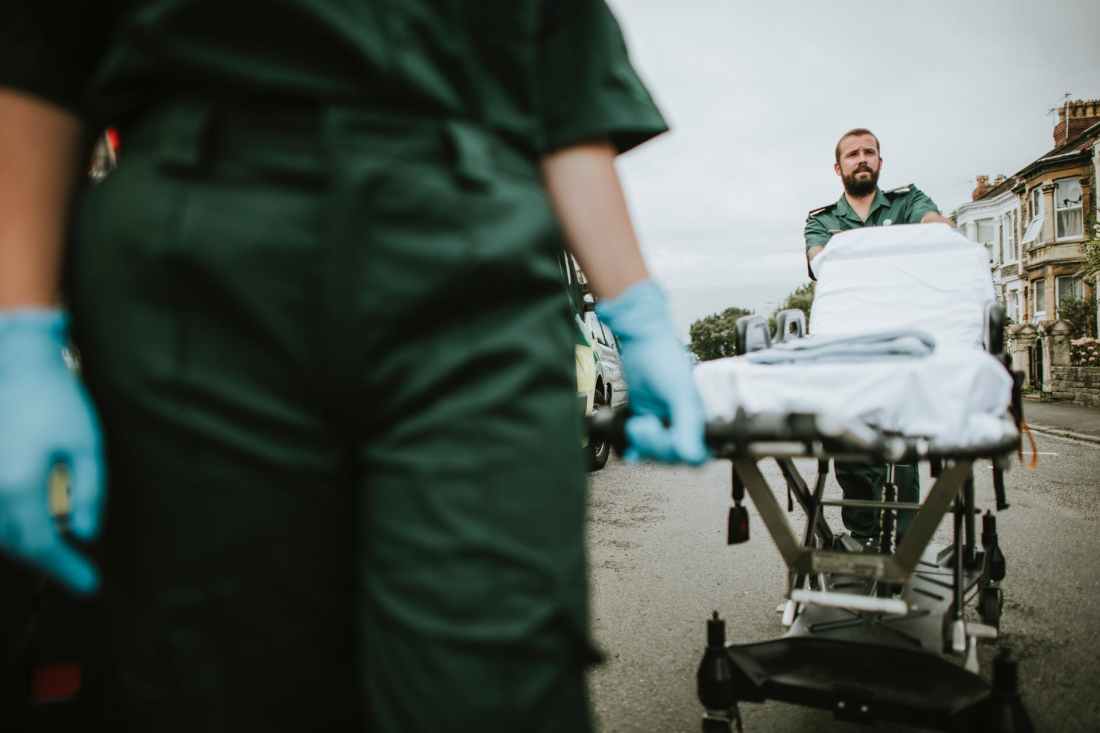
So, what exactly is an externship? Well, a clinical externship is an unpaid learning opportunity for students in schools of nursing, nurse aide (CNA) training programs, medical assisting training programs and other types of allied healthcare courses to facilitate full immersion in acquisition of hands-on practical skills in a particular sphere of interest.

Essentially, the clinical externship is the educational phase of most health science training programs that enables pupils to shadow more experienced allied healthcare workers in the specific career pathway that is being pursued. For instance, a nurse aide training program clinical externship would entail students shadowing more experienced nursing assistants as they provide basic patient care duties at a healthcare center.

During the clinical externship, the allied healthcare student works alongside more experienced healthcare workers in a workplace setting in the field or discipline of study. The student provides hands-on care to real clients under the supervision of a clinical instructor and is being evaluated for their performance the entire time. The student jumps in and assists clients with their patient care needs in a hands-on manner.

What can allied healthcare students look forward to during the clinical externship phase of their training? It can really differ depending on the specific type of training program. Each externship has its similarities and differences; however, a few commonalities do exist. The following list contains some potentially useful pearls of wisdom regarding clinical externships to assist in easing the student’s fears of the unknown.

  • The student’s clinical externship site or setting will depend on the training program he or she is enrolled in. For example, a medical assisting trainee might be assigned to a clinic or doctors office, whereas a nurse aide student will most likely be sent to a skilled nursing facility.
  • To make the most of the externship phase and maximize the learning experience, students should ask questions, be as helpful as humanly possible, and offer to provide assistance to the allied healthcare professionals at the clinical site. This is the student’s chance to shine and build a solid reputation in his or her future profession.
  • Students should always be ready to adhere to the predetermined rules of the clinical site. These rules might include standard workplace fare such as dress codes, hours of operation, social media usage policies, meal breaks, standards for professional conduct, proper chains of command, and so forth.
  • The clinical externship provides an amazing chance to learn new skills, as well as the opportunity to blossom both professionally and personally. It would be wise if the student adopts the stance that constructive criticism can pave the way for streamlined opportunities for improvement.
  • Keep in mind that the clinical instructor who supervises students at the clinical externship most likely has a vast amount of enriching experiences from school and work as a foundation to teach. Do not forget to utilize the clinical instructor as an educational resource. After all, they are there to help students acquire practical skills under supervision.
  • Clinical externships usually last anywhere from few days to several weeks depending on the requirements of the training program. In addition, the school’s administrative staff selects the clinical site location due to pre-existing contracts with healthcare facilities in the community where the school is located.
  • Students are usually graded and/or evaluated on their overall performance during their time at the clinical externship. In essence, the clinical externship is the student’s opportunity to thrive, bring positive attention toward oneself, and absorb mountains of new information in a practical manner. In other words, the clinical externship is full of awesome opportunities that should not go to waste.
  • As a general rule of thumb, allied healthcare students who are attending a clinical externship will not be paid for their time because it is a requirement for completion of the school’s training program. Time spent at the clinical externship site should be seen as schooling, not employment.

A clinical externship is a very important aspect of healthcare occupational training programs that students undergo in order to graduate and move on to thriving careers in the medical field. A clinical externship permits students to put multiple skills to use that are absolutely imperative for securing gainful employment in the healthcare field.

Call Legacy Healthcare Careers CNA School at (682)626-5266 to obtain a rewarding career in the healthcare industry as a nursing assistant. The training programs offered by Legacy Healthcare Careers all involve clinical externships at local healthcare centers in the Dallas/Fort Worth area of Texas.