Brain Awareness Week: March 11 Through March 17, 2019

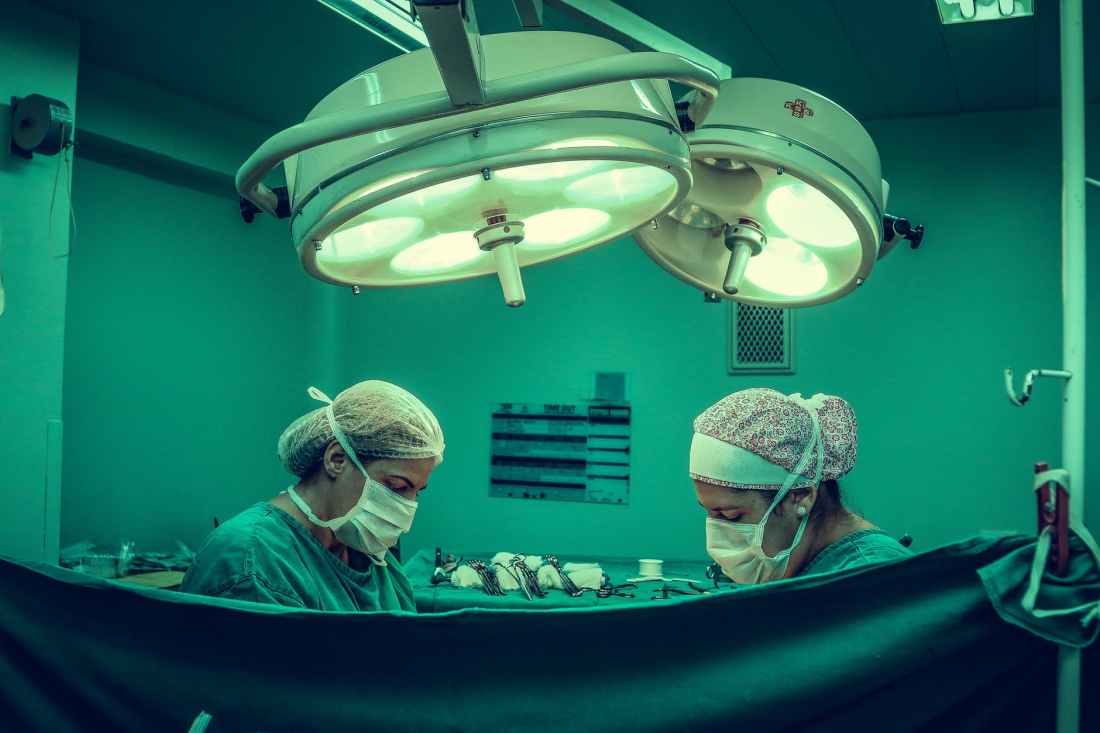
two person doing surgery inside room
Photo by Vidal Balielo Jr. on Pexels.com

This year (2019), Brain Awareness Week is to be observed for the entire week that begins on March 11th and ends on March 17th. For those that might not have been previously aware, Brain Awareness Week is a worldwide celebration of the brain. Since the brain has such a profound impact on peoples’ physical, mental, social and emotional health, Brain Awareness Week deserves to be the sole subject of an informational post.

Brain Awareness Week is a week-long celebration of the brain that was established back in 1996. Every single year, during one whole week in the month of March, Brain Awareness Week brings together the diligent work of organizations, research firms, partners and interested stakeholders on a global scale to celebrate the marvelous organ otherwise known as the brain.

In other words, Brain Awareness Week is a worldwide campaign with the intent of boosting peoples’ awareness regarding the uniqueness and importance of the brain, as well as getting the public to see the merits and beneficial aspects of clinical research involving the brain. This week is loaded with multiple opportunities to discuss the progress that revolves around brain research.

Numerous diseases affect the human brain in ways that are devastating to individuals, families, and entire populations. Brain Awareness Week provides opportunities to let people know about the progress that is being done to diagnose, treat and prevent brain disorders such as Alzheimer’s disease, Parkinson’s disease, strokes, schizophrenia and depression (Federation of European Neuroscience Societies, 2019).

Brain Awareness Week is celebrated with a myriad of activities and events. According to National Day Calendar (2019), activities are limited only by the organizers’ imaginations and include open days at neuroscience labs; exhibitions about the brain; lectures on topics that pertain to the brain; social media posting campaigns; displays at libraries and community centers; classroom workshops; and so much more.

To observe Brain Awareness Week, individuals can take a look at the the BAW calendar of events to find activities that will be taking place in the region where they live. People can also post on social media outlets using the hashtags #BrainAwarenessWeek and #BrainWeek. Also, the neuroscience departments at many colleges and universities will be organizing exhibits and educational activities that are often open to the public.

REFERENCES

Federation of European Neuroscience Societies. (2019). Brain Awareness Week. Retrieved March 13, 2019 from https://www.fens.org/Outreach/FENS-Brain-Awareness-Week/

National Day Calendar. (2019). Brain Awareness Week. Retrieved March 13, 2019 from https://nationaldaycalendar.com/brain-awareness-week-changes-annually/



Healthcare Career Spotlight: the Nursing Facility Social Worker

adult business choices choosing
Photo by rawpixel.com on Pexels.com

Firstly, social workers are educated professionals who assist people to meet unmet needs, address problems, and deal with various issues in their lives. According to the United States Bureau of Labor Statistics (2018), social workers work in a myriad of workplaces such as clinics, schools, social service agencies, hospitals, group homes, homeless shelters, settlement houses, community organizations, and private practices.

The main purpose of this posting is to bring light to the multifaceted role of the nursing facility social worker. The point of having a social worker in the nursing home setting is to ensure that the ongoing needs of the facility’s multiple residents are being met in a timely manner. In essence, nursing facility social workers contribute to residents’ socio-emotional well-being by working closely with them and their family members.

All nursing homes are required to have a comprehensive social service program to assure that each resident’s social and emotional needs get fulfilled. It is the social worker’s responsibility to assist in the oversight, operation, and staffing of the social services department at the nursing facility. In fact, some larger nursing homes utilize at least two social workers to manage all of the residents on their caseloads.

Social workers in nursing homes are responsible for doing admission assessments on newly admitted residents to determine their needs and make the transition to facility living easier. As soon as newly admitted nursing home residents adjust to life in the facility, the social worker involves them in the care planning process and participates in the plan of care for each resident as a member of the multidisciplinary team.

Nursing facility social workers might also complete tasks such as pre-admission screenings, provision of information on advance directives, do not resuscitate (DNR) forms, social histories, questionnaires, reviews of residents’ rights, appointment scheduling with external healthcare providers, quarterly assessments, progress notes, assistance with monetary matters, and referrals to outside professionals.

In addition to the admissions process, social workers are absolutely integral to residents’ discharge planning in nursing homes. In this sense, the discharge process may simply entail a transfer from one department (e.g., the skilled sub-acute rehabilitation wing of the nursing home) to another area, such as the long term care section of the same facility.

In the majority of other instances, a resident’s discharge involves a transfer to home, the hospital, a homeless shelter or another facility. In these types of discharges, the social worker would carefully assess the needs of the discharging resident and make arrangements to ensure that (s)he or the family is able to obtain certain goods and services that are needed once the discharge takes place.

Once the actual discharge is happening, the nursing facility social worker would assist the resident to acquire goods such as shower chairs, glucose meters, and other types of durable medical equipment (DME). The social worker would also set up important services, such as home health care, pharmacy delivery, outpatient physical therapy, community resources, and/or transportation. Social workers function as advocates.

In general, most nursing facility social workers work a full time schedule that consists of daylight hours. Furthermore, they must occasionally work evenings, weekends and holidays to catch up on their workloads. The vast majority of nursing home social workers work at a desk and have an office, although they must often visit residents and meet with families during care plan meetings.

The United States Bureau of Labor Statistics (2018) asserts that the employment of healthcare social workers is projected to increase by approximately 20 percent through the year 2026, which is notably faster than the average for all occupations. Nursing home social workers remain in steady demand because of the assistance they provide to aging residents and their families while they adapt to the institutional facility lifestyle.

REFERENCES

Bureau of Labor Statistics, U.S. Department of Labor. (2018). Social Workers. Retrieved from https://www.bls.gov/ooh/community-and-social-service/social-workers.htm#tab-1

Scholastic Spotlight: a Description of Activities of Daily Living (ADLs) for CNAs

stainless steel shower head inside bathroom
Photo by Christa Grover on Pexels.com

Activities of daily living, most commonly represented by the acronym ‘ADLs,’ consist of the everyday actions that revolve around the provision of the most fundamental self-care activities for one’s own body. The main ADLs include seemingly simple tasks such as bathing, eating, dressing, mobility, toileting (continence), grooming (personal hygiene), and transferring (ambulation).

Even though the aforementioned ADLs seem fairly simple for a healthy person to carry out, they can pose a number of uphill battles for many clients and residents in medical settings. Workplaces such as hospitals, nursing homes, assisted living facilities, personal care group homes, and clients’ private residences are full of patients who cannot do their own ADLS due to weakness, immobility, cognitive impairment and/or long term illness.

For example, a male patient whose entire left side of the body is very weak due to an old stroke might have extreme difficulty getting himself dressed. This same patient may really struggle to transfer himself from the bed to the wheelchair. There’s a good chance he probably has issues with mobility. He might also need assistance with other activities like eating, showers, personal hygiene, and going to the restroom.

Furthermore, a client’s general ability to complete ADLs is affected by a number of differing factors. These can include cognition, motor skills, physical abilities, and overall functional status. A person’s functional status is defined as one’s ability to accomplish tasks that are imperative for living. Factors such as confusion, dementia, debility, weakness, deconditioning and prolonged immobility affect ADL performance.

Functional status is a very important concept in healthcare because it is one of those defining things that dictates whether or not an elder will require daily caregiving and assistance with ADLs. For elders in the community, their level of functional status will determine whether or not they are placed in a nursing home or assisted living facility. Functional status is also a good predictor of morbidity (illness) and mortality (death).

Of course, anyone who is enrolled in a nurse aide training program has probably been taught that one of the CNA’s most crucial roles in the workplace is to help patients and residents complete ADLs. In fact, the CNA is entrusted with knowing how to help their patients perform ADLs in an efficient manner while maintaining an environment of safety, cleanliness and privacy regardless of the setting.

Tasks such as feeding, mouth care, incontinent care, combing hair, showering, bathing, abiding by timed toileting programs, and pushing a resident’s wheelchair are all things CNAs do to assist clients with ADLs. This is consistently true whether a CNA works in a nursing home, hospital, group home, assisted living facility, or a private duty nursing case at a client’s personal residence.

Here are some rules of thumb when delivering assistance with ADLs. CNAs should ask the client about his or her preferences when providing care, as well as allow them to do as much as they reasonably can for themselves. Also, CNAs should praise their clients when they are cooperating or doing things the right way. Finally, a calm attitude of caring and empathy goes a long way in forming bonds of trust with patients.

Do not forget to call Legacy Healthcare Careers CNA School at (682)626-5266 to jump-start a fulfilling career in the healthcare sector as a nurse aide. The nurse aide classes offered by Legacy Healthcare Careers all include classroom instruction as well as hands-on training with real patients by way of clinical externships at local healthcare centers in the Dallas /Fort Worth metro area of Texas.


February is Turner Syndrome Awareness Month

Screenshot 2019-02-25 at 4.56.47 PM

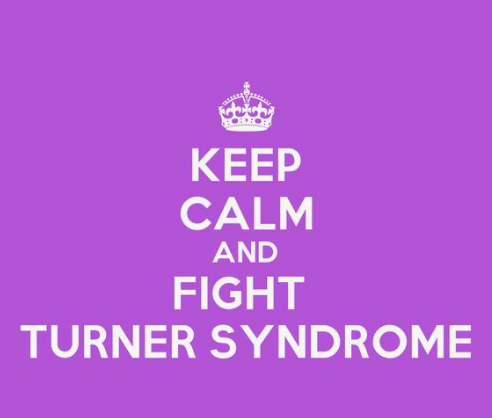
February is Turner Syndrome Awareness month and, since this website definitely has an orientation toward the medical field and various issues that pertain to healthcare, this month-long observance deserves an honorable mention and a posting of its own. After all, the point is to raise some much-needed awareness regarding the rare disease process known as Turner Syndrome.

Turner Syndrome is a rather uncommon health problem that afflicts about one in every 2,500 females. This syndrome, which is not inheritable and affects only females, arises due to a chromosomal abnormality. It happens whenever all or part of of a girl’s second X chromosome is either completely or partially absent.

Turner Syndrome develops at the time of conception; in addition, approximately 99 percent of all Turner Syndrome pregnancies do not ever survive. In other words, a female infant who is born with Turner Syndrome has beaten the odds since the vast majority of women who are pregnant with Turner Syndrome babies do not carry them to full term due to fetal demise.

The visual, physical outcome of Turner Syndrome is a notable constellation of telltale signs and symptoms that can vary in severity from mild to profound. Girls with Turner Syndrome tend to present with the following characteristics: an unusually short stature, slower bone growth than usual, horseshoe-shaped kidneys, heart abnormalities, issues with hearing, enlarged hands and feet, and broadened chests and shoulders.

Other physical traits attributable to Turner Syndrome include webbed necks, deformed elbows, narrow palates, thin teeth and puffy extremities. In addition, girls with Turner Syndrome usually have absence of menstruation and suffer from infertility. A large number of females with Turner Syndrome have high blood pressure (hypertension), which is thought to arise due to kidney abnormalities and/or aortic constriction.

Due to the fact that February is Turner Syndrome Awareness Month, the overriding goal of this posting is to spread awareness about this disease process to as many members of the general public as humanly possible while also offering wholehearted support to the many parents of little girls afflicted with this disorder. Approximately 80,000 females have been diagnosed with Turner Syndrome in the United States to date.

Even though there is no known cure for Turner Syndrome at the time of this writing (2019), it is very much manageable when the female patient is placed under the care of a competent healthcare provider who is knowledgeable regarding its ongoing medical management.

REFERENCES

Martell, J. (2018). Raise Awareness of Turner Syndrome During the Month of February! Retrieved from https://patientworthy.com/2018/02/23/raise-awareness-turner-syndrome-month-february/

February is American Heart Month

Screenshot 2019-02-24 at 11.55.44 AM

February happens to be the shortest month on the calendar. However, the shortest month in existence is still insanely busy. Multiple celebrations and observances are taking place during this vaunted winter month such as Black History Month, Turner Syndrome Awareness Month, and the National Children’s Dental Health Month. Furthermore, February is the official National Bird Feeding Month.

This is just a friendly, harmless reminder that February is also American Heart Month. To be more precise, here is a very brief history regarding American Heart Month. It is a one month long official observance that had been initially put into place by the federal government via title 36 of the United States Code more than a decade ago. Many people are not even aware of the existence of American Heart Month.

Can anyone who is reading this guess correctly what the number one cause of death is in the U.S.? If any readers had guessed that heart disease is the leading cause of death in this country, then their guess would have been absolutely correct. Since this website has a marked orientation toward healthcare careers and things pertaining to the medical field, a quick posting about American Heart Month seems timely and appropriate.

After all, many people in this country seek the services of the healthcare system as the result of heart disease and cardiac issues. In fact, there is a high likelihood that some or all of the current and future readers of this piece are either related to a person who has heart disease or know someone who is afflicted with heart disease. Heck, there is a decent chance that a reader may even have one or more cardiac issues themselves.

The overarching focal point of American Heart Month is to raise awareness in the minds of the American public about the national health crisis of heart problems and blood vessel, cardiovascular and circulatory disorders. In addition, another goal of American Heart Month is to get the general public to be more supportive of programs and initiatives that work toward addressing the rampant problem of heart disease.

Some of the most common cardiovascular health issues in this country include the following: coronary artery disease (CAD), congestive heart failure (CHF), hypertension (more commonly known as ‘high blood pressure’), atrial fibrillation, heart valve disease, and angina pectoris (better known as ‘chest pain’). Congenital heart defects and anomalies, which are present at birth, are also rather common in American society.

During American Heart Month, people are strongly encouraged to wear the color red to show their wholehearted support of preventative measures for heart disease. People are also nudged toward making a series of lasting lifestyle changes that have been proven to minimize or reduce the risk of developing heart problems.

Lifestyle changes that lessen the likelihood of cardiac disease development include smoking cessation, regular cardiovascular exercise, weight loss, stress management, and adherence to heart-healthy diets. American citizens are also urged to obtain annual physical examinations from a healthcare provider and ensure their serum cholesterol levels get checked regularly.

REFERENCES

National Heart, Lung and Blood Institute. (n.d.). American Heart Month. Retrieved from https://www.nhlbi.nih.gov/health-topics/education-and-awareness/heart-month


Scholastic Spotlight: The Clinical Externship Defined

man pushing hospital bed
Photo by rawpixel.com on Pexels.com

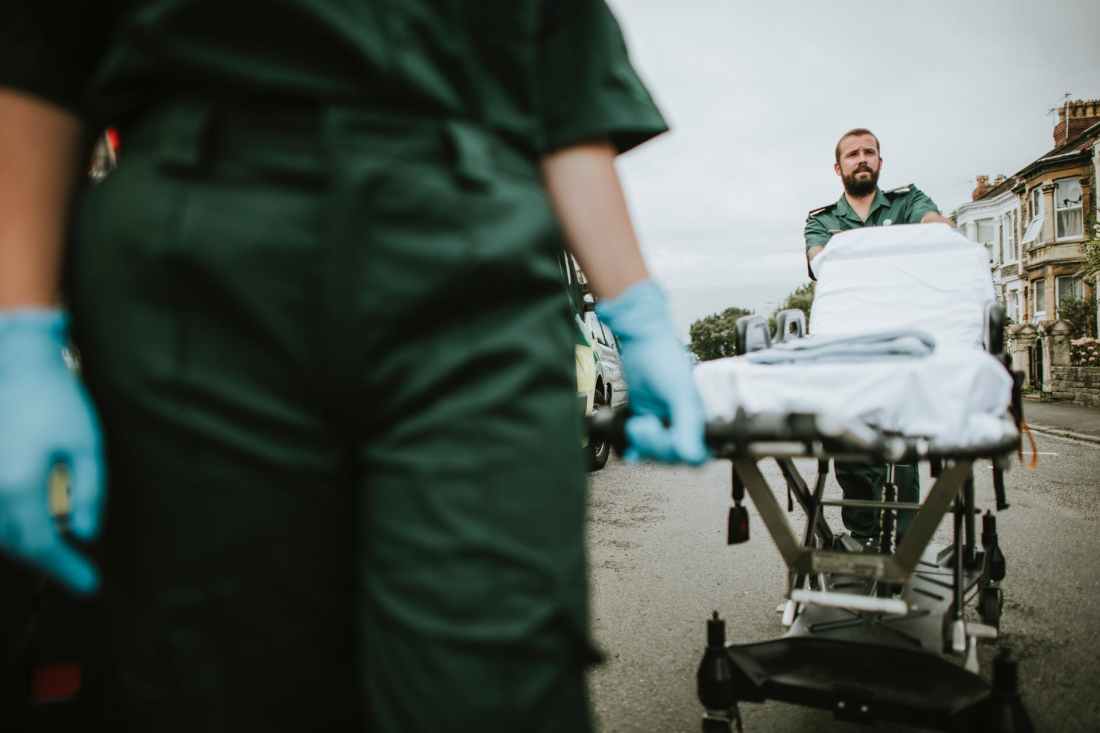
So, what exactly is an externship? Well, a clinical externship is an unpaid learning opportunity for students in schools of nursing, nurse aide (CNA) training programs, medical assisting training programs and other types of allied healthcare courses to facilitate full immersion in acquisition of hands-on practical skills in a particular sphere of interest.

Essentially, the clinical externship is the educational phase of most health science training programs that enables pupils to shadow more experienced allied healthcare workers in the specific career pathway that is being pursued. For instance, a nurse aide training program clinical externship would entail students shadowing more experienced nursing assistants as they provide basic patient care duties at a healthcare center.

During the clinical externship, the allied healthcare student works alongside more experienced healthcare workers in a workplace setting in the field or discipline of study. The student provides hands-on care to real clients under the supervision of a clinical instructor and is being evaluated for their performance the entire time. The student jumps in and assists clients with their patient care needs in a hands-on manner.

What can allied healthcare students look forward to during the clinical externship phase of their training? It can really differ depending on the specific type of training program. Each externship has its similarities and differences; however, a few commonalities do exist. The following list contains some potentially useful pearls of wisdom regarding clinical externships to assist in easing the student’s fears of the unknown.

  • The student’s clinical externship site or setting will depend on the training program he or she is enrolled in. For example, a medical assisting trainee might be assigned to a clinic or doctors office, whereas a nurse aide student will most likely be sent to a skilled nursing facility.
  • To make the most of the externship phase and maximize the learning experience, students should ask questions, be as helpful as humanly possible, and offer to provide assistance to the allied healthcare professionals at the clinical site. This is the student’s chance to shine and build a solid reputation in his or her future profession.
  • Students should always be ready to adhere to the predetermined rules of the clinical site. These rules might include standard workplace fare such as dress codes, hours of operation, social media usage policies, meal breaks, standards for professional conduct, proper chains of command, and so forth.
  • The clinical externship provides an amazing chance to learn new skills, as well as the opportunity to blossom both professionally and personally. It would be wise if the student adopts the stance that constructive criticism can pave the way for streamlined opportunities for improvement.
  • Keep in mind that the clinical instructor who supervises students at the clinical externship most likely has a vast amount of enriching experiences from school and work as a foundation to teach. Do not forget to utilize the clinical instructor as an educational resource. After all, they are there to help students acquire practical skills under supervision.
  • Clinical externships usually last anywhere from few days to several weeks depending on the requirements of the training program. In addition, the school’s administrative staff selects the clinical site location due to pre-existing contracts with healthcare facilities in the community where the school is located.
  • Students are usually graded and/or evaluated on their overall performance during their time at the clinical externship. In essence, the clinical externship is the student’s opportunity to thrive, bring positive attention toward oneself, and absorb mountains of new information in a practical manner. In other words, the clinical externship is full of awesome opportunities that should not go to waste.
  • As a general rule of thumb, allied healthcare students who are attending a clinical externship will not be paid for their time because it is a requirement for completion of the school’s training program. Time spent at the clinical externship site should be seen as schooling, not employment.

A clinical externship is a very important aspect of healthcare occupational training programs that students undergo in order to graduate and move on to thriving careers in the medical field. A clinical externship permits students to put multiple skills to use that are absolutely imperative for securing gainful employment in the healthcare field.

Call Legacy Healthcare Careers CNA School at (682)626-5266 to obtain a rewarding career in the healthcare industry as a nursing assistant. The training programs offered by Legacy Healthcare Careers all involve clinical externships at local healthcare centers in the Dallas/Fort Worth area of Texas.

Healthcare Career Spotlight: the CNA Trade School Consultant

adult agreement blur brainstorming
Photo by rawpixel.com on Pexels.com

First of all, consultants can be found in all industries, specialties and sectors because of the versatile nature of their professional roles. For instance, hospitals and life insurance corporations often procure the services of business consultants or consulting firms for fresh ideas. Likewise, a health foods wholesale supply company or vitamin shop might utilize the breadth of knowledge that a natural health consultant brings to the table.

Thus, a CNA trade school consultant is a multi-faceted professional who has a vast fund of knowledge and expertise in regards to the initial establishment, ongoing management and operational processes that come with the territory of opening and running CNA schools. A CNA (certified nursing assistant) trade school is a vocational school that offers nurse aide training programs to people who want to become CNAs.

CNA trade school consultants are usually well versed on the bureaucratic issues of securing approvals from various municipal and state entities in order to legally operate nurse aide training programs. They have intimate familiarity with all the paperwork, forms, procedures, timelines, and tasks that must be completed before the state approval agencies will grant final approval for the trade school to begin accepting students.

They may also be very familiar with other procedures related to CNA schools, such as the operations of other types of training programs offered at vocational schools. CNA trade school consultants are often able to provide consultative advice to school owners who want to start or add healthcare training programs in medical assisting, massage therapy, phlebotomy, surgical technology, radiography, nursing education and so much more.

CNA trade school consultants assess the specific needs of their clients and discuss the tasks that must be completed to facilitate the state approvals required in order to open their healthcare programs to the public. Some of these tasks include formulation of appropriate curriculum, completion of fire inspections at the school, preparation of school catalogs, acquisition of proper forms and customization of student handbooks.

Consultants may educate clients on the unique aspects of nurse aide training programs, such as admissions requirements, refund policies, entrance exams, clinical site contracts, student background checks, liability issues and business insurance needs. CNA school consultants may also refer clients to accountants, instructors, attorneys, suppliers, publishing companies, accreditation organizations and other professionals as needed.

Some trade school consultants offer their services on a piecemeal basis whereas other consultants will provide bids on comprehensive service packages that include everything that needs to be done in order to establish the vocational school. In addition, some consultants offer added services such as counseling on business plans, educational seminars and webinars, and marketing tips to increase student enrollments.

School owners often seek the specialized services of CNA trade school consultants due to the confusion that frequently arises after finding out about the numerous steps one must take to open a vocational school and/or add new healthcare training programs. Some consultants offer detailed guidance to walk school owners through the bureaucratic complexities while other consultants manage entire projects from start to finish.

Training for CNA trade school consultants varies depending on their specific areas of interest and unique experiential backgrounds. At the time of this writing (2019), state and/or federal licensure requirements for trade school consultants have not been officially enacted into law. Nonetheless, earning relevant college degrees and/or certifications can add an aura of legitimacy to one’s consulting career.

Most CNA school consultants have direct experience in the trade school industry as owners, instructors or managers. Experience can be one of the best forms of schooling for consultants in the trade school industry. After all, they are able to see the process unfold before completing them. After completing the process multiple times, they are able to educate clients on the pertinent processes of starting a school from scratch.

Even though no official college degree requirements currently exist for CNA trade school consultants, ideally they should possess an extensive knowledge base in the realm of starting healthcare training programs. In addition to experience, a consultant in the trade school industry should be able to produce references upon request and exhibit a proven record of previous projects that had been successful.

Do you need the specialized services of a trade school consultant that specializes in starting and adding healthcare training programs? Are you having the most difficult time trying to locate a CNA school consultant to help you out?

Relax and call Legacy CNA School Consultants at (682)313-6404 or visit our website at www.CNASchoolConsultant.com for more information. Perhaps we can help turn your vision of a CNA trade school or healthcare training vocational school into a reality.


CNA School Open Enrollment Event: February 12, 2019

Screenshot 2019-02-08 at 6.55.02 PM

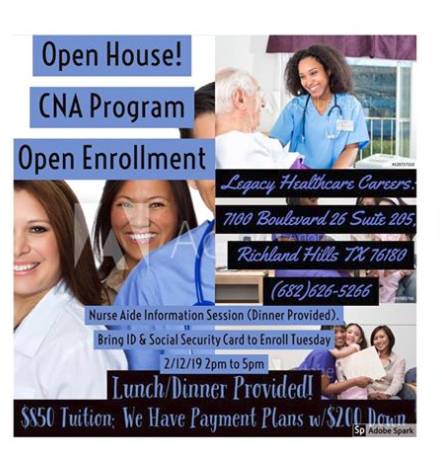
The time has come to welcome prospective nurse aide students to Legacy Healthcare Careers CNA School’s Open House /Open Enrollment event located at 7100 Boulevard 26, Suite 205, Richland Hills, Texas 76180. Food will be provided on a first come /first serve basis. This event takes place on Tuesday February 12, 2019 between 2:00pm and 5:00pm.

The staff of Legacy Healthcare Careers will be offering helpful information on healthcare careers, immediate assistance with enrollment in nurse aide training classes on the spot, and tours of the school. Please bring a photo ID, social security card, and a $200 down payment to enroll.

The next CNA classes at this Fort Worth area school will be starting on Monday February 18, 2019 as well as Monday February 25, 2019. Legacy Healthcare Careers offers an affordable 7-day (1-week) CNA program. In addition, the school offers a 2-week CNA program and a 3-week CNA program.

Please RSVP via e-mail to Legacy Healthcare Careers at LegacyHealthcareCareers@ Yahoo.com by Tuesday February 12 to indicate whether you can attend, or feel free to telephone the school’s 24-hour enrollment hotline at (682)313-6404 to confirm your attendance at this open house event.

The staff of Legacy Healthcare Careers hopes to see you at this special open enrollment event. The school owes its success to people like you, so please graciously accept our sincere gratitude for your support. A career in the healthcare industry can be fulfilling and transforming. In addition, a healthcare career can boost your value in the local employment value, so jump-start your legacy today.

Scholarships to Attend CNA School: the Health Occupations Scholarship Award

empty theater seats
Photo by Jaime Fernández on Pexels.com

The following announcement is intended for any persons in the Dallas-Fort Worth Metroplex area of Texas who are seeking financial help in the form of a partial tuition scholarship to attend a certified nursing assistant (CNA) training program. The Health Occupations Scholarship Award is definitely worth exploring further.

Provided by Legacy Healthcare Careers CNA School, this scholarship fund has been made available to prospective students who are pursuing occupational healthcare training at this Dallas/Fort Worth area school. Applicants must be at least 18 years of age and should have a desire to pursue a career in the healthcare field. Award winners receive partial-tuition scholarships including books, supplies and fees.

The scholarship awards are specifically for students who plan to enroll in nurse aide or other healthcare occupational training classes at Legacy Healthcare Careers. Prospective students may be enrolled in courses on a full time or part time basis. Students should also display dedication to the healthcare field and have a solid work ethic. Students must be or plan to be attending school at Legacy Healthcare Careers.

Submitting an application for scholarship award money is a fairly straightforward process. To apply, visit the school’s website (www.LegacyHealthcareCareers.com) and scroll down to submit a scholarship application. In addition, the scholarship application can be accessed directly by clicking or copying and pasting the following link into a web browser: http://www.123formbuilder.com/form-4595340/scholarship-application

The award amounts are $250, $100 and $50. Three scholarship awards will be granted every month. During the application process, students will be required to write a short one-paragraph essay that contains a detailed explanation on their reasons for entering the healthcare field. Prospective students who apply for a scholarship must also follow up by meeting with the school’s director for a tour of the school.

Scholarship winners will be selected on the basis and quality of the essay submissions. Winners will be notified via phone. This scholarship is only available to prospective students who enroll in one of Legacy Healthcare Careers’ health occupational training programs. Call (682)313-6404 for questions or any additional information.

Are you considering a career in the healthcare industry? Do you have the follow-through and motivation to do it? A career as a certified nursing assistant (CNA) is an amazing point of entry into the healthcare sector. A healthcare career as a CNA provides the ultimate foundation to almost any individual’s future in the health sciences. 

Legacy Healthcare Careers delivers several high quality CNA programs. In addition, the school intends to offer state-approved medication aide training in the spring of 2019 at our Fort Worth Mid-Cities area campus. Call (682)626-5266 or the 24-hour hotline at (682)313-6404 for additional information. This is a golden opportunity. Do not pass it up.