Spotlight on an Obscure Healthcare Career: the Dental Nurse

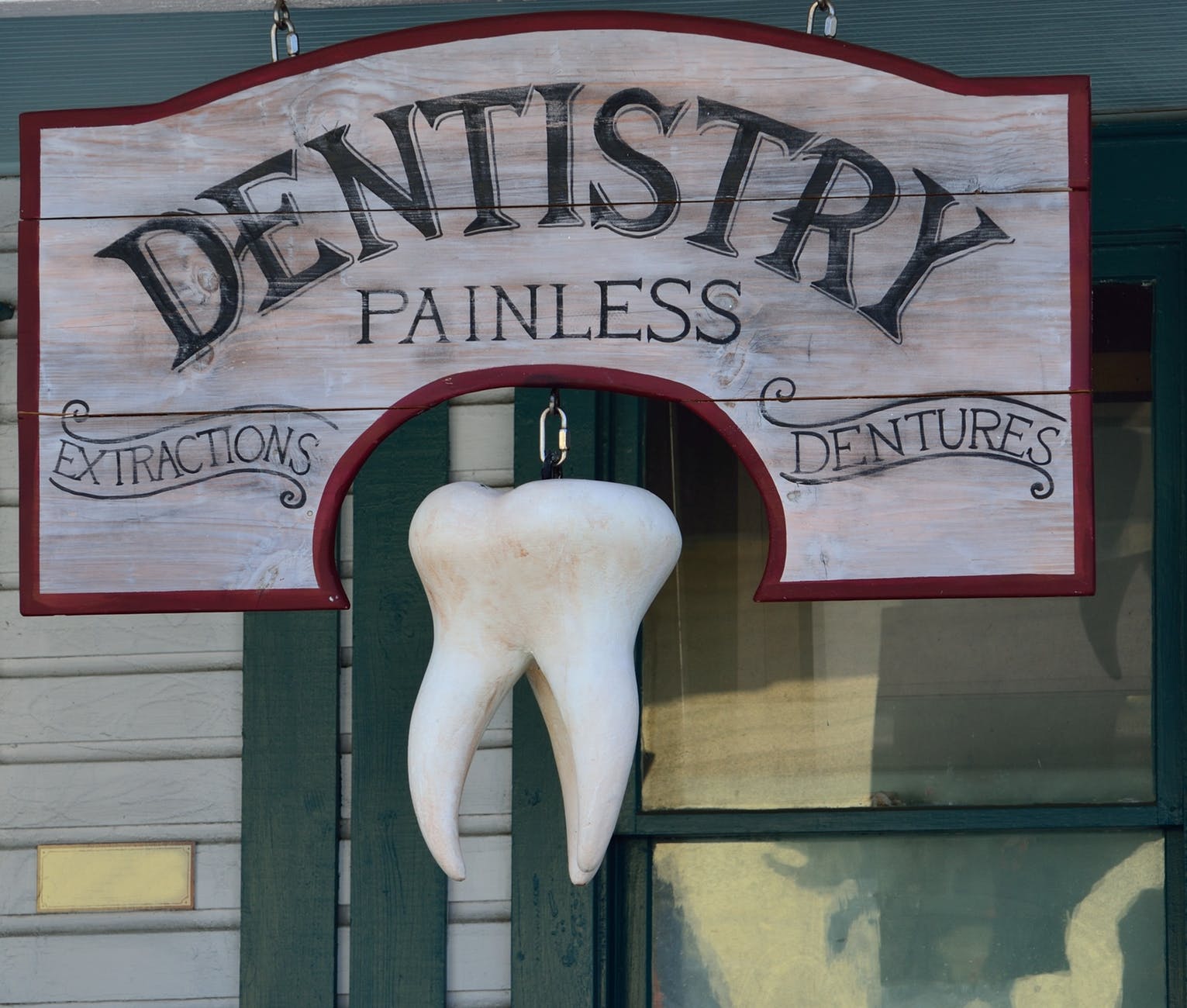
business care clean clinic
Photo by Pixabay on Pexels.com

The special role of the dental nurse remains obscure in many intriguing ways. The overarching goal of this piece is to shed some light on the role and professional responsibilities of dental nurses, as well as the training and registration requirements that they must adhere to.

Dental nurses are uniquely vital team members of the healthcare career ladder who assist in all types of dentistry treatments and work in all sorts of dental specialties. The primary function of the dental nurse is to provide ancillary support to dentists as they deliver care to patients. Dental nurses work collaboratively at the chairside with dentists during the completion of oral surgeries and other procedures and treatments.

Very few licensed dental nurses are employed in the United States; thus, their role remains very shrouded in mystery to most folks who dwell in the US. In fact, many people in the US have never even heard of a dental nurse. In addition, the majority of dentists in the US prefer to use dental assistants and dental hygienists as a way to contain labor costs. After all, a dental assistant is usually less costly to hire than a nurse.

Nonetheless, dental nurses are heavily utilized in a number of other countries, especially the United Kingdom, New Zealand and Malaysia. Dental nurses are also utilized on a much smaller scale in several provinces of Canada, especially Ontario.

A dental nurse works at the chairside next to dentists as they provide ongoing care during patients’ visits. Some of the tasks that dental nurses may do include the following: obtaining health histories, taking and recording vital signs, performing assessments, applying numbing agents to patients’ gums prior to invasive treatments, administering topical fluoride, and providing postoperative education after oral surgical procedures.

Dental nurses might also be responsible for routine duties such as preparing materials, sterilizing equipment with autoclaves, reordering supplies, taking x-rays, obtaining impressions, and making sure the appropriate instruments are available to the dentist during treatments. Also, dental nurses might be responsible for clerical tasks such as answering telephone calls, scheduling appointments, and processing payments.

The minuscule number of dental offices that utilize licensed dental nurses in the US are ones that perform a large number of oral surgeries. These surgical procedures require specialized assessment and observation of sedated patients after administration of local or general anesthesia, so these dental practices may hire and use licensed practical nurses (LPNs) or registered nurses (RNs) with post anesthesia care unit experience.

In other countries, most dental nurses secure employment in a variety of workplaces that include general dentistry clinics, oral & maxillofacial surgery practices or orthodontic offices. Additionally, other dental nurses can be found working for the military, dental hospitals, office management, nonprofit agencies or other public organizations.

In the UK, dental nurses must be registered. Since 2008, it has been mandatory that all dental nurses be registered with the General Dental Council (GDC). In addition, it is unlawful to use the title of ‘dental nurse’ without the appropriate registration. To become a dental nurse in the UK, a prospective student can enroll in a post-secondary program at a dental hospital or school of dental nursing to obtain practical training.

Would you like to climb aboard the nursing career ladder? Well, a career as a nursing assistant is a wonderful foundation to any person’s potential future in the nursing profession. Do you have the motivation to follow through and make a career change? Do you have what it takes to rise to the challenge?

The 7-day CNA program at Legacy Healthcare Careers delivers fast-track, state-approved vocational training to become a nursing assistant in a matter of days. Place a telephone call to (682)626-5266 or the 24-hour enrollment hotline at (682)313-6404 to enroll at Legacy Healthcare Careers CNA School today! Classes are starting soon. Do not miss out on this opportunity.

Completely Online CNA Programs: A Word to the Wise

screenshot 2019-01-29 at 9.49.35 am

Let’s address this complicated issue head-on: modern day life is ridiculously busy! Most busy adults are juggling employment, family time, a social life and other aspects of their lives to strike some sort of balance. These time-consuming facets of life do not leave all that much time to attend school full-time, especially in a classroom setting.

After all, who has time to sit in a classroom for several hours per day? After working hard for eight to twelve hours all day long, does any sane person really want to spend the rest of the evening or all weekend long in a classroom setting? Most people would rather be at home where they can wind down, chill out, relax, eat a home-cooked meal or spend a few precious hours with the ones they love the most.

However, many people are unsatisfied with their current jobs. Some people may even hate their jobs with a passion! Therefore, the thought of returning to school to prepare for a career change has often crossed their minds. While these folks may mentally dance with the idea of going back to school, the reality of it often involves giving up multiple evenings or weekends to spend time in a classroom. Again, who really has time for that?

Ah, but there appears to be a solution that can be integrated into peoples’ busy lifestyles: online classes! In addition, many people want to enter the nursing profession due to the potential of steady pay and abundant job opportunities, so they search the internet for online healthcare career programs that can be completed in the comfort of one’s home.

Here is a word to the wise. Regardless of any fancy advertisements you may have seen, you cannot become a nurse completely online. You cannot become a CNA completely online. In fact, no state board of nursing in existence will allow students to become nurses totally online for one very simple reason: no one can truly learn to provide hands-on nursing care to patients without actually touching any patients.

The large number of online nursing degree programs that are advertised on the internet have been designed for people who are already licensed nurses (LPN or RN). These online nursing programs allow licensed nurses to pursue higher education and earn additional nursing degrees from a college or university while keeping their full time jobs.

For instance, an RN with an associates degree can complete an online bachelor of science degree in nursing (BSN). However, she first had to complete her associates of science degree in nursing (ASN) face to face in a class setting before qualifying for admission to the online BSN program. All state boards of nursing require nursing students to amass a certain number of classroom and clinical practicum hours in order to graduate.

Think about it. Would you want a nurse with no patient care experience whatsoever to take care of you or your loved ones? A nurse whose only schooling was online classes never received hands-on training in patient care. All nurses must complete a clinical practicum externship that entails spending many hours in hospitals, nursing homes and other healthcare settings where they learn to provide hands-on care to real patients.

It is a similar situation with nursing assistant training. For instance, the state of Texas requires prospective nurse aides to complete a 100-hour CNA program that is comprised of 60 class and return demonstration lab hours as well as 40 clinical externship hours. This clinical externship occurs in a healthcare facility where students deliver hands-on care to patients. This is how nurse aide students learn to become CNAs.

In a nutshell, completely online CNA programs do not exist, at least in the state of Texas where 100 hours of face to face instruction are required. If something seems too good to be true, it probably is. The goal of this piece is to help readers and prevent them from being scammed by unscrupulous online businesses that claim to offer online CNA school. If this posting helps just one student out there, it will have been worth it to us.

Do you have the motivation to change your career? The 7-day CNA program at Legacy Healthcare Careers offers state-approved career training to become a nursing assistant in approximately one week. Call (682)626-5266 to enroll at Legacy Healthcare Careers CNA School now! Classes start soon.

Healthcare Career Spotlight: the Medical Office Assistant

working woman technology computer
Photo by Startup Stock Photos on Pexels.com

A medical office assistant, also known as an administrative medical assistant or front office medical assistant, is a multifaceted allied healthcare professional whose primary function is to ensure that the front office area of physicians’ offices, clinics, medical groups and hospital units runs smoothly. A competent medical office assistant puts an array of soft interpersonal skills and hard procedural skills to use every single workday to get the job done.

Medical office assistants are vital members of the healthcare team because without their varied skill set, many healthcare settings would have difficulty managing day to day operations. In general, the medical office assistant tends to be the very first individual with whom patients, clients vendors and visitors come into contact at most physicians’ offices and clinic settings. Thus, these multi-skilled healthcare workers serve as the front line backbones of many workplace settings.

The allied health occupation of front office medical assisting has expanded greatly over the past few decades. Therefore, the role of the typical medical office assistant has also expanded to keep up with modern times.  Medical office assistants complete tasks such as scheduling patients’ appointments, greeting and checking patients and visitors in, coordinating visits with guests such as pharmaceutical representatives, and contacting vendors to reorder supplies.

Medical office assistants may also be responsible for clerical duties such as computer data entry, conducting phone interviews, verifying clients’ personal health information, obtaining signatures on new patient forms, sending faxes, compiling charts, filing paperwork, scanning documents, maintaining the orderly appearance of the reception area, and ensuring that diagnostic results reach the appropriate healthcare providers.

Depending on the policies of the specific workplace, many medical office assistants also carry out tasks that are either directly or indirectly related to monetary collection. Some of these duties may include gathering information on health insurance payer sources, processing payments in exchange for healthcare services, generating receipts, making patients aware of co-payment and/or coinsurance amounts, scanning documents such as insurance cards, and setting up payment plans.

Since the field of medical assisting entails intensive contact with people, medical office assistants need to be extremely comfortable interacting with a variety of individuals including patients, physicians, coworkers, visitors, families, vendors and others. The role of a medical office assistant necessitates effective communication skills. In addition, medical office assistants must have the ability to quickly establish trust and cooperation with the multitude of people who visit the healthcare setting on a daily basis.

Medical office assistants are employed primarily in workplaces such as clinics, multi-specialty medical group practices, acute care hospital wards, physicians’ offices, and ambulatory surgical centers. After amassing several years of experience, some medical assistants secure employment as medical office assistant instructors at trade schools, community colleges, technical colleges, and private for-profit academies.

Persons with an interest in entering this career pathway must usually have a high school diploma or G.E.D. before completing a training program in medical assisting that results in a postsecondary certificate, diploma or associate of applied science degree. Medical office assistant diploma and certificate programs are typically less than one year long. On the other hand, programs that lead to an associate of applied science degree generally take two years to complete from start to finish.

Medical office assistant career training programs are offered at several different types of postsecondary schools such as technical colleges, community colleges, trade schools, state universities, vocational schools, adult education centers, regional occupational programs and private for-profit academies.

Most employers prefer to hire medical office assistants who possess a professional certification. As a result, a number of entities will certify the medical assistant’s vast fund of knowledge. The National Healthcareer Association, the National Center for Competency Testing and the American Medical Certification Association are three different entities that offer professional certification to medical office assistants.

Furthermore, medical office assistants remain in high demand in many employment markets for the near future. Employment of medical assistants is projected to increase by approximately 29 percent through the year 2026, which happens to be much faster than the average for all occupations. Much of this job growth is driven by grand openings and expansions of doctors’ offices, hospitals, clinics and multi-specialty group practices.