Healthcare Career Spotlight: the Patient Transporter

access building business care
Photo by Pixabay on Pexels.com

A patient transporter, also referred to in some hospital systems as an orderly, is a multi-skilled allied healthcare worker whose primary workplace responsibility involves the safe transport of patients and clients from one destination to another within hospitals and other types of healthcare facilities. A competent patient transporter uses his or her skills to make things easier for patients and medical staff at healthcare facilities.

Most nurses and other healthcare workers would readily agree about the extreme usefulness of patient transporters. Furthermore, patient transporters are really important assets to the healthcare team at many hospitals because without their assortment of skills, many medical care settings would have extreme difficulty dealing with the most routine operations.

After all, facilities that do not use patient transporters usually force members of nursing staff to complete all transporting. For instance, a nurse who must transport a patient from the cardiac floor of a hospital to the interventional radiology suite must leave his other patients unattended for up to 30 minutes while he accompanies the lone patient. Imagine how inconvenient this would be for that nurse and his other patients!

Generally, the patient transporter needs to have a kind disposition, a lot of patience and an empathetic outlook toward the ill patients and clients that require transporting from one location to another. In addition, good body mechanics and some physical strength would be immensely useful due to the fact that patient transporters must bend, lift heavy loads, twist, and do a great deal of standing during a typical work shift.

The role of patient transporting has grown in recent years, so patient transporters have had to rise to the occasion to keep up with the demands and complexities of the present day health system in the United States.  Patient transporters transfer patients from beds to wheelchairs or stretchers to transport them to various locations, push occupied and unoccupied wheelchairs, and assist people to get into vehicles such as cars and vans.

Safety is essential when working as a patient transporter. They must transfer patients with extreme care and caution to avoid injuring themselves or the people they have been entrusted to transport. Confidentiality is imperative for patient transporters since they verify clients’ identities prior to transport and are privy to protected health information and other private matters. They must also adhere to infection control principles.

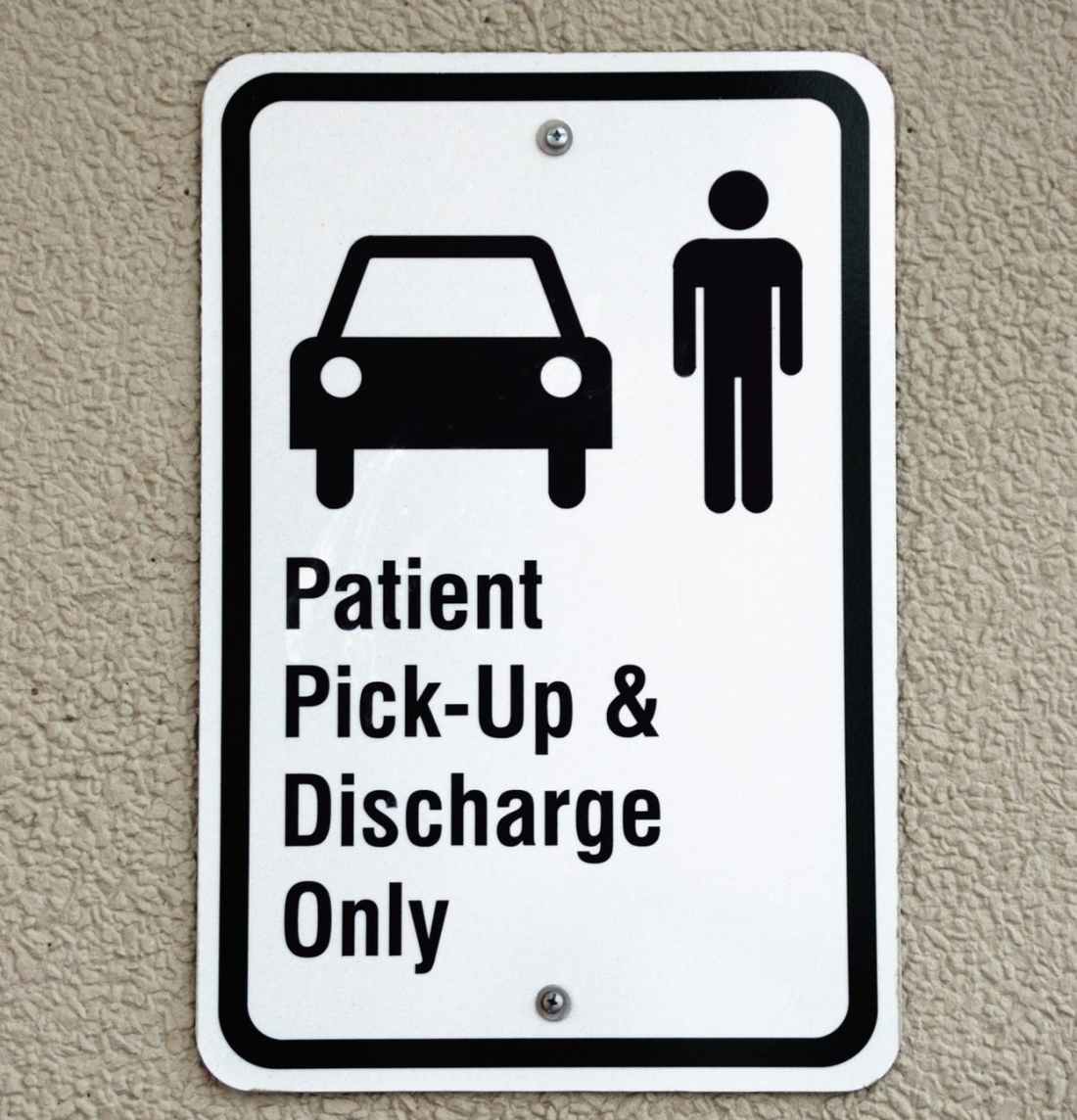
Patient transporters may have additional duties such as wheeling or pushing patients to the correct location within hospitals, taking patients to medical appointments, assisting patients onto examination tables, and transporting patients to the curbside or parking lot of the hospital in order to board ambulances and/or non-emergency medical transportation vans. Patient transporters also document their tasks upon completion.

In addition to transporting clients, patient transporters often transport and hand-deliver items such as heavy equipment, specimens and lab/diagnostic results to various locations within the hospital. At some facilities, patient transporters routinely transport bodies of deceased patients to the hospital morgue. Depending on the type of facility, some patient transporters serve as van drivers who drive clients to and from appointments.

Since the role of patient transporting requires constant contact with people, patient transporters should feel comfortable interacting with a wide variety of persons including patients, nurses, physicians, family members, coworkers, managers, visitors, vendors and others. Moreover, patient transporters must have a knack for swiftly gaining the trust and cooperation of the many patients who require transport each day.

Patient transporters can be found working in places of employment such as acute care hospitals, large skilled nursing facilities, assisted living facilities, personal care group homes and non-emergency transportation companies. Individuals who have an interest in entering this healthcare career pathway must usually have a high school diploma or G.E.D. before training for this specific position on the job.

Prior work experience in the allied healthcare field and/or professional certification as an emergency medical technician (EMT) or certified nursing assistant (CNA) can be helpful to prepare for the daily functions of a patient transporter. Also, professional certification can provide a potential advantage that might result in an applicant standing out in a sea of other job seekers who apply for patient transporter positions.

The demand for patient transporters in the job market is projected to remain steady well into the near future. According to the United States Bureau of Labor Statistics, which classifies patient transporters under the Orderlies employment category, the projected growth rate for this specific position is 11 percent through the year 2024. This projected growth rate exceeds the average for all other jobs.

Much of this growth in patient transporter job openings can be attributed to the large wave of the Baby Boomer generation that is expected to have a profound impact on healthcare facilities. Aging members of the Baby Boomer cohort are already entering the healthcare system and requiring transport from one location to another. Therefore, patient transporters are very much needed in the employment market.

People who live and/or work in the Dallas/Fort Worth area of Texas should call Legacy Healthcare Careers at (682)626-5266 to jump-start a life-transforming career in the healthcare industry. Legacy Healthcare Careers offers affordable career training as well as job placement assistance. Call today...


How Does the Opioid Epidemic Affect the Healthcare Field in the United States?

tablet medical medicine grind
Photo by Pixabay on Pexels.com

The opioid epidemic, also known as the opioid crisis, first gained serious traction in the United States during the 1990s decade due to a number of momentous factors such as a marked increase in the number of pain killer prescriptions along with the fiercely addictive qualities of these medications. Also, big name pharmaceutical companies started to aggressively market and advertise opioid prescription drugs in the 1990s.

Unfortunately, the opioid epidemic has been having an awful impact on numerous individuals, their families, American society, and the healthcare field as a whole over the course of the previous two decades. According to the Centers for Disease Control and Prevention (2018), the number of overdose deaths involving prescription opioid drugs has been on a noticeable rise since 1999 with no slowdown in sight.

So, in what ways does the opioid epidemic affect the healthcare field in the U.S.? Well, people from all walks of life are addicted to opioids, so this epidemic has most certainly impacted many of the patients, coworkers and visitors who are participants in the healthcare system. The following list consists of the various ways in which the current opioid crisis has affected the healthcare field.

  • Impaired healthcare workers and providers: Many physicians, nurses, technicians and other allied healthcare workers have battled fierce addictions to opioids. Some healthcare professionals have even had their professional licenses and/or certifications revoked due to impaired practice or an inability to conquer their addictions. Other healthcare workers have entered drug rehab or chemical dependency programs.
  • Treatment of overdose: There has been a sharp increase in the number of addicted patients who are entering the healthcare system by way of rolling into hospital emergency departments on stretchers after having suffered opioid overdoses. In some regions, overburdened emergency medical service providers regularly deal with shortages of Narcan, the injectable medication that reverses the effects of opioid overdose.
  • Drug rehabilitative services: Some people enter the healthcare system by opting to receive inpatient drug rehab or participate in chemical dependency programs to battle their addictions to opioids. The number of health insurance plans that cover some or all of the costs associated with drug rehab or chemical dependency treatment has grown larger. Thus, many addicted persons are fighting their addictions by using these avenues.
  • Treatment of chronic disease processes: Still, some patients end up in the healthcare system for treatment of chronic hepatitis C, HIV and other bloodborne illnesses after contracting these viruses by using unclean hypodermic needles to inject opioid drugs. Many people who inject heroin were once users of prescription opioid pain pills. However, an alarming number of these folks switched to heroin since it is cheaper and delivers the same type of high.
  • Pain management clinics: Physicians who work in the specialty of pain medicine can earn very lucrative incomes due in part to the opioid epidemic. A pain doctor is a medical physician (M.D.) or doctor of osteopathy (D.O.) who specializes in pain medicine. Pain management clinics, referred to as ‘pain clinics’ for short, are doing brisk business as a result of the number of drug-seeking patients who visit them to request prescriptions and refills for opioid medications.
  • Impaired family members and visitors: Nurses, nursing assistants, patient care technicians and other healthcare workers who deliver direct patient care at the bedside must occasionally deal with visitors who are obviously impaired. Almost any experienced healthcare worker can describe the so-called ‘opioid nod’ with stunning accuracy because they have seen so many family members nodding off while visiting with hospitalized patients.
  • Infants born to addicted mothers: Newborns who are exposed to opioids during the prenatal period begin to experience severe withdrawal symptoms within 48 to 72 hours after birth. This heartbreaking phenomenon is referred to as neonatal abstinence syndrome (NAS). Moreover, the number of infants being born with neonatal abstinence syndrome has been increasing steadily due to the large number of pregnant women who abuse opioid drugs.
  • Lost productivity: The opioid crisis is putting a burdensome strain on employers and corporations, including many healthcare companies. The steepest monetary costs linked with the opioid epidemic arise mainly due to lost productivity and earnings losses for corporations. Untimely overdose deaths and opioid addiction disorders also affect municipal, county, state and federal governments in a detrimental manner by way of losses in tax revenue.
  • Staggeringly high healthcare costs: Healthcare costs connected with the opioid epidemic have exceeded $200 billion since 2001. These expenses are primarily due to pre-hospital emergency medical services (a.k.a. ambulance care), visits to local emergency departments, and the widespread use of Narcan, a medication that rapidly reverses the effects of opioid overdose. Also, opioid addicts cost their employers approximately twice as much in healthcare expenses when compared to their non-addicted workmates.

CNAs and the Basics of Reciprocity

Screenshot 2019-02-05 at 9.52.20 AM

So, just what exactly is reciprocity? Those who currently work in the allied healthcare field as CNAs (certified nursing assistants) or have plans to become a CNA will need to become very familiar with the concept of reciprocity. Knowing what reciprocity means is of the essence, especially in this modern day and age where people relocate to different regions more often than in the recent past.

Reciprocity is the multi-step process that permits CNAs who hold out-of-state certification to obtain a new CNA certificate in a receiving state, pending approval from the new state’s CNA registry or board of nursing. In other words, reciprocity agreements let CNAs officially transfer their certification from state to state. This allows CNAs to legally work as nursing assistants in their new home states.

In order to successfully complete the process of reciprocity and receive a CNA certificate from the new state of residence, a CNA will need to fulfill one or more state-specific requirements. The reciprocity process can be complicated at times because each state has different requirements for CNA training, clinical hours, continuing education (CEs), certification renewal, and so forth.

Pre-existing reciprocity agreements allow the different states to sort through variances in CNA certification requirements to more easily facilitate certificate transfers and fill healthcare job openings with qualified, experienced candidates. The vast majority of states in the U.S. have reciprocity policies in place for CNAs and other types of allied healthcare workers to transfer their certificates.

When would a CNA need to be concerned with the process of reciprocity? Well, a CNA who plans to move out of state needs to become familiar with reciprocity if he or she wants to obtain CNA certification in his or her new state of residence. Therefore, a CNA who intends to relocate to another state will need to start making preparations far in advance by looking up the CNA requirements in the new state.

Each state has individual laws and regulations regarding CNA certification. As a consequence, the state in which a nurse aide initially earned his or her CNA certification could quite possibly have some very different requirements for CNA training and continuing education than the state where he or she has plans to relocate.

In addition, the number of training hours required to become a CNA can drastically differ from state to state. As a classic example, the state of Alabama requires nurse aides to obtain 75 hours of occupational training to attain eligibility for certification as a CNA. The training hours are partitioned in the following way: 59 hours of class and return lab demonstration time, and 16 hours of hands-on clinical practicum externship.

Let’s consider the next scenario. A nurse aide who went to school and attained a CNA certification in Alabama ends up moving to the state of California several years down the line. Now an issue may have arisen since California requires more training hours to get a CNA certification than Alabama. California requires 160 hours of occupational training to become a CNA, more than double the 75 hours of training required by Alabama.

CNA training hours in California are partitioned in the following manner: 60 hours of classroom theory schooling along with 100 hours of hands-on clinical practicum externship. In this complicated situation, the CNA from Alabama who wants to move to California would fall short of exactly one hour of classroom theory schooling and a whopping 84 hours of clinical externship training.

In this case, the receiving state of California would utilize their pre-existing reciprocity agreement policies to determine whether or not to grant CNA certification to the nurse aide from Alabama. California’s reciprocity agreement entails policies to accept out-of-state nurse aides and grant them CNA certification if they can prove they have accrued at least two years of recent work experience as a CNA in the previous home state.

Other state boards of nursing might outright refuse to issue a CNA certificate to the nurse aide from Alabama, and consequently ask the person to complete additional nursing assistant training that fulfills the new state’s schooling requirements. Also, some states may opt to grant CNA certification to the nurse aide from Alabama due to his or her number of years of work experience as a nursing assistant.

Still, a few states may make the choice to grant a conditional or provisional CNA certification to the nurse aide from Alabama pending one or more specific requirements that will need to be met. The Alabama nurse aide may be required to complete additional schooling, submit proof of completion of specific continuing education or in-service coursework, or successfully challenge the CNA state test in the new state of residence.

The theme of this posting is the overall importance of empowering oneself with as much knowledge as possible about the reciprocity process for CNAs, especially if an out-of-state move is planned in the near or distant future. After all, knowledge is power. It would be a crying shame to struggle to secure employment in one’s new state of residence due to a lack of awareness regarding the process of CNA reciprocity.

Train to become a certified nursing assistant (CNA) in approximately two weeks at Legacy Healthcare Careers, a CNA School in the Dallas/Fort Worth area of Texas. The staff at Legacy Healthcare Careers can be reached 24 hours a day at (682)626-5266 so prospective students can jump-start a life-transforming career change in the healthcare field.

Legacy Healthcare Careers delivers affordable, quality career training as well as job placement assistance. Pick up the telephone and call (682)626-5266 to enroll.

Texas CNA Skills (Part Thirteen): Resources to Help Prepare for the CNA State Test

smiling woman holding red cutout heart
Photo by rawpixel.com on Pexels.com

The National Nurse Aide Assessment Program (NNAAP), also known as the CNA state test, must be passed by any nurse aide who wants to attain state certification as a CNA. In addition, nurse aides who plan to pass the CNA state test on the very first attempt would be wise to utilize all of the resources they can possibly get their hands on. It also helps that many of the existing resources are completely free!

Fortunately, there are numerous resources out there to help students conquer the state test successfully. Preparation is the key, so the following resources will prove useful only if the student uses them and does not wait until the last minute to cram them in and study during the final hour. In fact, studying for the CNA state test should really be an ongoing process in which small amounts of material are covered each day.

Even though a mountain of testing information exists throughout the deepest crevices of the world wide web, a few of the resources might be terribly outdated or not all that informative. Therefore, a list of more relevant resources have been compiled and listed below to help nurse aide students prepare for the CNA state test. Take a deep breath, relax, prepare, and enjoy your future nursing assistant career!

  • Other Schools’ CNA Program Websites: Many CNA programs publish their lecture notes, study guides, PowerPoint presentations, online lessons and other learning materials for free. Click here to get to a series of excellent PowerPoint presentations on CNA lessons from the Kings County Office of Education.
  • Texas Curriculum for Nurse Aides in Long Term Care Facilities: This is the official nurse aide curriculum that has been approved for use by the state of Texas. In fact, the theory and skills contained within this curricula are used to formulate the questions and skills scenarios on the Texas CNA state test. Click here to get to the Texas curriculum.
  • Illinois State Nursing Exam Practice Test: This is a sample CNA state test that is being offered completely online through the Southern Illinois University website. This exam enables the user to select the number of questions; moreover, it automatically checks the submitted answers for correctness. Unlike the real CNA state test, no time limit have been imposed on this practice test.
  • Study Guide Books: There happens to be a myriad of CNA study guides for sale on websites such as Amazon, Ebay and Barnes & Noble that are designed to help test takers prepare for the written portion of the CNA state test. Purchasing one of these study guides might be a wise investment.
  • National Nurse Aide Assessment Program (NNAAP) Practice Exam: This practice test contains a number of questions that are extremely similar to ones that will be seen on the written section of the CNA state test. Therefore, it would be a good idea to take this practice exam, review the answers, and study the rationales for all the answers. Click here to get to the NNAAP Practice Exam.
  • Bureau of Labor Statistics (BLS): The BLS website, which happens to be updated and maintained by the United States Department of Labor on a regular basis, contains the most up-to-date statistics on the nursing assistant role. The BLS site has info such as routine nurse aide duties, work environment, average pay rates, and projected job outlook. Click here to get to the BLS nursing assistant web page.
  • Your CNA School: Do not forget to utilize the CNA school that you attended because the instructors can serve as knowledgeable resources. A reputable CNA program will be staffed with instructors who want students to succeed, so it is in the best interests of the school’s staff to assist graduates in preparing for the state test.

Scholarships to Attend CNA School: the Health Occupations Scholarship Award

empty theater seats
Photo by Jaime Fernández on Pexels.com

The following announcement is intended for any persons in the Dallas-Fort Worth Metroplex area of Texas who are seeking financial help in the form of a partial tuition scholarship to attend a certified nursing assistant (CNA) training program. The Health Occupations Scholarship Award is definitely worth exploring further.

Provided by Legacy Healthcare Careers CNA School, this scholarship fund has been made available to prospective students who are pursuing occupational healthcare training at this Dallas/Fort Worth area school. Applicants must be at least 18 years of age and should have a desire to pursue a career in the healthcare field. Award winners receive partial-tuition scholarships including books, supplies and fees.

The scholarship awards are specifically for students who plan to enroll in nurse aide or other healthcare occupational training classes at Legacy Healthcare Careers. Prospective students may be enrolled in courses on a full time or part time basis. Students should also display dedication to the healthcare field and have a solid work ethic. Students must be or plan to be attending school at Legacy Healthcare Careers.

Submitting an application for scholarship award money is a fairly straightforward process. To apply, visit the school’s website (www.LegacyHealthcareCareers.com) and scroll down to submit a scholarship application. In addition, the scholarship application can be accessed directly by clicking or copying and pasting the following link into a web browser: http://www.123formbuilder.com/form-4595340/scholarship-application

The award amounts are $250, $100 and $50. Three scholarship awards will be granted every month. During the application process, students will be required to write a short one-paragraph essay that contains a detailed explanation on their reasons for entering the healthcare field. Prospective students who apply for a scholarship must also follow up by meeting with the school’s director for a tour of the school.

Scholarship winners will be selected on the basis and quality of the essay submissions. Winners will be notified via phone. This scholarship is only available to prospective students who enroll in one of Legacy Healthcare Careers’ health occupational training programs. Call (682)313-6404 for questions or any additional information.

Are you considering a career in the healthcare industry? Do you have the follow-through and motivation to do it? A career as a certified nursing assistant (CNA) is an amazing point of entry into the healthcare sector. A healthcare career as a CNA provides the ultimate foundation to almost any individual’s future in the health sciences. 

Legacy Healthcare Careers delivers several high quality CNA programs. In addition, the school intends to offer state-approved medication aide training in the spring of 2019 at our Fort Worth Mid-Cities area campus. Call (682)626-5266 or the 24-hour hotline at (682)313-6404 for additional information. This is a golden opportunity. Do not pass it up.

Spotlight on an Obscure Healthcare Career: the Dental Nurse

business care clean clinic
Photo by Pixabay on Pexels.com

The special role of the dental nurse remains obscure in many intriguing ways. The overarching goal of this piece is to shed some light on the role and professional responsibilities of dental nurses, as well as the training and registration requirements that they must adhere to.

Dental nurses are uniquely vital team members of the healthcare career ladder who assist in all types of dentistry treatments and work in all sorts of dental specialties. The primary function of the dental nurse is to provide ancillary support to dentists as they deliver care to patients. Dental nurses work collaboratively at the chairside with dentists during the completion of oral surgeries and other procedures and treatments.

Very few licensed dental nurses are employed in the United States; thus, their role remains very shrouded in mystery to most folks who dwell in the US. In fact, many people in the US have never even heard of a dental nurse. In addition, the majority of dentists in the US prefer to use dental assistants and dental hygienists as a way to contain labor costs. After all, a dental assistant is usually less costly to hire than a nurse.

Nonetheless, dental nurses are heavily utilized in a number of other countries, especially the United Kingdom, New Zealand and Malaysia. Dental nurses are also utilized on a much smaller scale in several provinces of Canada, especially Ontario.

A dental nurse works at the chairside next to dentists as they provide ongoing care during patients’ visits. Some of the tasks that dental nurses may do include the following: obtaining health histories, taking and recording vital signs, performing assessments, applying numbing agents to patients’ gums prior to invasive treatments, administering topical fluoride, and providing postoperative education after oral surgical procedures.

Dental nurses might also be responsible for routine duties such as preparing materials, sterilizing equipment with autoclaves, reordering supplies, taking x-rays, obtaining impressions, and making sure the appropriate instruments are available to the dentist during treatments. Also, dental nurses might be responsible for clerical tasks such as answering telephone calls, scheduling appointments, and processing payments.

The minuscule number of dental offices that utilize licensed dental nurses in the US are ones that perform a large number of oral surgeries. These surgical procedures require specialized assessment and observation of sedated patients after administration of local or general anesthesia, so these dental practices may hire and use licensed practical nurses (LPNs) or registered nurses (RNs) with post anesthesia care unit experience.

In other countries, most dental nurses secure employment in a variety of workplaces that include general dentistry clinics, oral & maxillofacial surgery practices or orthodontic offices. Additionally, other dental nurses can be found working for the military, dental hospitals, office management, nonprofit agencies or other public organizations.

In the UK, dental nurses must be registered. Since 2008, it has been mandatory that all dental nurses be registered with the General Dental Council (GDC). In addition, it is unlawful to use the title of ‘dental nurse’ without the appropriate registration. To become a dental nurse in the UK, a prospective student can enroll in a post-secondary program at a dental hospital or school of dental nursing to obtain practical training.

Would you like to climb aboard the nursing career ladder? Well, a career as a nursing assistant is a wonderful foundation to any person’s potential future in the nursing profession. Do you have the motivation to follow through and make a career change? Do you have what it takes to rise to the challenge?

The 7-day CNA program at Legacy Healthcare Careers delivers fast-track, state-approved vocational training to become a nursing assistant in a matter of days. Place a telephone call to (682)626-5266 or the 24-hour enrollment hotline at (682)313-6404 to enroll at Legacy Healthcare Careers CNA School today! Classes are starting soon. Do not miss out on this opportunity.

Completely Online CNA Programs: A Word to the Wise

screenshot 2019-01-29 at 9.49.35 am

Let’s address this complicated issue head-on: modern day life is ridiculously busy! Most busy adults are juggling employment, family time, a social life and other aspects of their lives to strike some sort of balance. These time-consuming facets of life do not leave all that much time to attend school full-time, especially in a classroom setting.

After all, who has time to sit in a classroom for several hours per day? After working hard for eight to twelve hours all day long, does any sane person really want to spend the rest of the evening or all weekend long in a classroom setting? Most people would rather be at home where they can wind down, chill out, relax, eat a home-cooked meal or spend a few precious hours with the ones they love the most.

However, many people are unsatisfied with their current jobs. Some people may even hate their jobs with a passion! Therefore, the thought of returning to school to prepare for a career change has often crossed their minds. While these folks may mentally dance with the idea of going back to school, the reality of it often involves giving up multiple evenings or weekends to spend time in a classroom. Again, who really has time for that?

Ah, but there appears to be a solution that can be integrated into peoples’ busy lifestyles: online classes! In addition, many people want to enter the nursing profession due to the potential of steady pay and abundant job opportunities, so they search the internet for online healthcare career programs that can be completed in the comfort of one’s home.

Here is a word to the wise. Regardless of any fancy advertisements you may have seen, you cannot become a nurse completely online. You cannot become a CNA completely online. In fact, no state board of nursing in existence will allow students to become nurses totally online for one very simple reason: no one can truly learn to provide hands-on nursing care to patients without actually touching any patients.

The large number of online nursing degree programs that are advertised on the internet have been designed for people who are already licensed nurses (LPN or RN). These online nursing programs allow licensed nurses to pursue higher education and earn additional nursing degrees from a college or university while keeping their full time jobs.

For instance, an RN with an associates degree can complete an online bachelor of science degree in nursing (BSN). However, she first had to complete her associates of science degree in nursing (ASN) face to face in a class setting before qualifying for admission to the online BSN program. All state boards of nursing require nursing students to amass a certain number of classroom and clinical practicum hours in order to graduate.

Think about it. Would you want a nurse with no patient care experience whatsoever to take care of you or your loved ones? A nurse whose only schooling was online classes never received hands-on training in patient care. All nurses must complete a clinical practicum externship that entails spending many hours in hospitals, nursing homes and other healthcare settings where they learn to provide hands-on care to real patients.

It is a similar situation with nursing assistant training. For instance, the state of Texas requires prospective nurse aides to complete a 100-hour CNA program that is comprised of 60 class and return demonstration lab hours as well as 40 clinical externship hours. This clinical externship occurs in a healthcare facility where students deliver hands-on care to patients. This is how nurse aide students learn to become CNAs.

In a nutshell, completely online CNA programs do not exist, at least in the state of Texas where 100 hours of face to face instruction are required. If something seems too good to be true, it probably is. The goal of this piece is to help readers and prevent them from being scammed by unscrupulous online businesses that claim to offer online CNA school. If this posting helps just one student out there, it will have been worth it to us.

Do you have the motivation to change your career? The 7-day CNA program at Legacy Healthcare Careers offers state-approved career training to become a nursing assistant in approximately one week. Call (682)626-5266 to enroll at Legacy Healthcare Careers CNA School now! Classes start soon.

Government Shutdown 2019: How Does It Impact Healthcare?

clinic doctor health hospital
Photo by Pixabay on Pexels.com

Multiple segments of the United States federal government have been shut down since December 22, 2018 and, as of the time of this writing, it is now officially regarded as the lengthiest shutdown in the nation’s history. In fact, this particular government shutdown has been going on for 30+ days with no foreseeable end in sight due to partisanship and sharp divisions with regards to political viewpoints.

Meanwhile, the masses of furloughed government workers must anxiously contend with the uncertainty of what the near future will bring. In addition, while many government workers have not been furloughed, they are reporting to their workplaces without pay. Since a large number of these men and women exist from paycheck to paycheck, many of their families will soon experience financial hardships and a lack of money to pay household bills.

Even though the current partial government shutdown was not directly related to or a direct result of healthcare policies or programs, it does have a notable impact on several aspects of the health system in the United States. The primary goal of this nonpartisan, nonpolitical piece is to bring up a handful of the federal entities that are presently being affected by the 2019 government shutdown.

Federal entities such as the Indian Health Service, the Food and Drug Administration and the Environmental Protection Agency all possess ties to the US healthcare industry, albeit in very different ways.

The Indian Health Service

The Indian Health Service, abbreviated IHS, is a governmental entity that operates within the US Department of Health and Human Services while obtaining its funding entirely via the Department of the Interior. The IHS delivers hands-on healthcare and implements public health service initiatives for descendants of federally recognized Native American tribal people, as well as Native Alaskan people.

Clinics operated by the IHS are still open and treating patients. However, the healthcare workers who staff these clinics currently report to work without pay. The unpaid federal employees who are working without pay include physicians, nurses, midlevel healthcare providers (physician assistants, nurse practitioners, midwives, clinical nurse specialists), medical office assistants, and other staffers who have been deemed ‘essential personnel.’

Furthermore, the IHS has temporarily halted all activities that have been regarded as nonessential. For instance, the IHS preventative health clinics operated by the Office of Urban Indian Health Programs are upheld by grants that have been suspended until the government shutdown comes to an end. In addition, monetary grants that sustain various tribal health programs have also been placed on hold until further notice.

The Food and Drug Administration

The Food and Drug Administration, referred to as the FDA for short, is another federal agency with close ties to the US healthcare industry. Even though the FDA falls under the large sphere of of the US Department of Health and Human Services, this very important agency receives the entirety of its operational funding through the US Department of Agriculture.

Here’s the problem…the US Department of Agriculture has not yet been funded as a result of the government shutdown. Consequently, many operational divisions within the FDA are now not funded. Thus, nearly half of the individuals who work for the FDA have been furloughed. The FDA is responsible for carrying out multiple tasks that involve health and safety such as routine food inspections, pharmaceutical drug approvals, and regulation of tobacco products and cosmetics.

The Environmental Protection Agency

The Environmental Protection Agency, known as the EPA, is an independent agency of the federal government entrusted with a number of important responsibilities and programs that directly tie into public health and safety. Some of these responsibilities include ensuring the drinking water that citizens consume is safe, regulating insecticides, and managing the disposal of hazardous waste products.

The EPA is presently unfunded due to the government shutdown. As a result, an incredibly tiny skeleton crew of about 700 EPA employees have been reporting to work without pay. Meanwhile, more than 13,000 EPA workers have been furloughed due to the lack of funding. Because of the vast number of furloughed EPA employees, the health and safety activities usually carried out by them are not being completed at full capacity.


Healthcare Career Spotlight: the Personal Care Assistant

woman holding hands
Photo by Pixabay on Pexels.com

Personal care assistants, also known as direct care workers, personal care attendants, direct care staff, home care aides, paid caregivers, healthcare assistants, carers, home health or personal care aides, are allied healthcare workers who provide hands-on assistance to clients who are not able to help themselves.

The clients of personal care assistants are often unable to help themselves due to a wide variety of reasons that might include lengthy illness, cognitive or mental impairment, acute injury, physical disability, advanced age, weakness or fragility. Other clients may be rendered unable to care for themselves due to intellectual and developmental disabilities, limited mobility, paralysis, debility or congenital handicaps.

Personal care assistants typically work in the home setting and assist their clients with various activities of daily living, such as showering, bathing, toileting, feeding, grooming, and taking medications. Personal care assistants may also be responsible for other tasks such as meal preparation, light housekeeping duties, and companionship.

In addition to the aforementioned tasks, personal care assistants might also assist their clients in the instrumental activities of daily living that help ensure households run smoothly. These instrumental activities can include the provision or arrangement of transportation, physicians’ appointments, ensuring clients take their medications, and other duties. Personal care assistants often serve as companions to their clients.

Most personal care assistants are employed by home care agencies to report to the homes of clients, while some personal care assistants are hired directly into private duty cases by clients or family members of the client. Likewise, some personal care assistants are employed by personal care group homes, assisted living facilities and independent living complexes where they often report directly or indirectly to a licensed nurse.

The typical personal care assistant tends to work long hours. Their role can be physically demanding on occasion due to lifting requirements and extended periods of time spent in a standing position. Nonetheless, this healthcare career can be very fulfilling due to the profound sense of purpose many workers derive after helping people who cannot help themselves. Providing companionship to clients can be invigorating.

The majority of personal care assistants have earned a minimum of a high school diploma or general education diploma (GED) certificate, but this level of education is not required by all employers. Sometimes the training for the personal care assistant role is done on the job by licensed nurses or other assistants with more experience.

The on-the-job training typically provided to personal care assistants is comprised of safety information, response to common emergency issues, and other duties specific to the home or employer. Additional training topics may include proper body mechanics, self-care techniques, and ways to deal with difficult client behaviors.

A number of states may require personal care assistants to complete more formalized occupational training from an adult education center, vocational school, nurse aide training academy, community college program or other home health entity. Also, certification is mandated for all personal care assistants who work for companies that receive reimbursements and payments from the Medicare or Medicaid programs.

A healthcare career as a personal care assistant opens the doors to wonderful attributes such as steady income and job security. The Baby Boomer generation is aging and becoming elderly; therefore, personal care assistant job openings will increase at a speedy pace in the foreseeable future. Personal care assistant job openings are projected to increase by 69 percent, much faster than the average of all other occupations.


Positive Thoughts for Students Who Think They Cannot Do It (Part Two)

achievement adult agreement arms
Photo by rawpixel.com on Pexels.com

Negativity is powerful enough to hold us back if we pay too much attention to it. In fact, negativity has the damaging power to crush some peoples’ hopes, dreams, goals and plans for brighter futures. With all of the negative vibes and poor normative cues that flood our day to day lives, it can be a monumental fight for even the strongest-willed individual to genuinely believe in one’s abilities to accomplish goals.

Nonetheless, much of the negativity comes from within. That pesky internal voice in our neural network of deepest thoughts shouts out to us louder than any other person ever could. However, positivity can cancel out the negativity. Having a strong belief in one’s own ability to get things done makes the difference. A positive outlook is of the essence because you must believe in yourself in order for others to believe in you.

In essence, take some time out of each day to nurture your soul with at least one positive affirmation. You should never be made to feel that you do not deserve success. Actually, you deserve to live the kind of life you want to live just as long as you are willing to devote the effort to achieve this. People should not feel that they are somehow faulty or undeserving of having the markers of a worthy existence. You are worth it!

The overriding message is to keep on trucking until you make enough progress to obtain the sort of changes you want to see. We can have virtually anything we want, and common sense prescribes that you will eventually get what you want. Conversely, it must be emphasized that you must change your inner thoughts in order to change your life. In other words, think positively. Talk positively. Live your life with positivity.

POSITIVE THOUGHT NUMBER FOUR: “I am a worthy person who has something good to offer.”

You, as a uniquely special human being, are worthy of giving and receiving. You have something decidedly special to offer to humankind, but only you know what it may be. You are worthy of receiving goodness, success, and all the fruits that come with the territory of these attributes. Realize that you are worthy and wholly deserving of the existence that has been bestowed upon you.

POSITIVE THOUGHT NUMBER FIVE: “I am thankful for all that I currently have in my life.”

Have an attitude of gratitude. You may think you presently have it bad, but others out there assuredly have it a hundred times worse. You might be complaining about your old shoes while someone out there has no feet. You might be complaining about your underachieving kids while parents in a developing country are grieving the loss of a young child that they could not afford to feed.

If all your basic needs of food and shelter are being met, be thankful and grateful for what you’ve got. Have some gratitude. Focus on what you currently have, as well as the things you would like to work toward. It is easier to focus on what you have rather than what you do not have.